

### Blog Post:
Heat pump dryer upgrades are booming, especially if you want an energy efficient clothes dryer that truly cuts costs—but whether replacing your gas dryer will pay off depends on where you live, your home wiring, and how you do laundry. This no-nonsense guide lays out hard numbers, user frustrations, payback math, and practical steps to help suburban and urban homeowners make a smart, region-aware decision—no greenwashing, just the facts.
Key Takeaways
- Not all switchovers save money: heat pump dryers run on less energy—but unless your local electricity is cheap relative to gas, you might pay more per load. Actual dollar savings range from +$30 to -$90/year depending on utility rates.
- User experience is mixed: Most owners see longer drying times (80–120+ minutes), extra filter or condensate maintenance, and occasional fit or electrical upgrade hurdles. On the plus side, fabric care improves and no venting is needed.
- Local grid carbon intensity matters: If your electricity is low-carbon, you could cut emissions by up to 91%. But in areas with fossil-heavy grids, switching from gas to electric might actually increase your carbon footprint—double-check before buying.
- Executive verdict — Should you replace your gas dryer with a heat pump dryer?
- How energy use and annual operating cost actually compare (heat pump vs gas)
- Emissions and the grid effect — when electrifying helps (and when it doesn’t)
- Real user experience — drying times, noise, and fabric care you should expect
- Most common user complaints after switching (and how to avoid them)
- Upfront equipment and installation costs — realistic ranges and what drives them
- Long-term costs, maintenance, and payback examples
- Technical specs to prioritize when shopping (so your new dryer fits and performs)
- Installation compatibility checklist (for homeowners and installers)
- Rebates, incentives, and how to find them (2024 guidance)
- The three questions competitor articles usually skip (and our concise answers)
- Decision flowchart (quick guide) — “If you live in X, do Y”
- Practical tips for owners who already switched — reduce complaints and improve satisfaction
- Recommended headline models / feature bundles to look for (short list for research)
- CTA and next steps for the reader (what the homeowner should do this week)
- FAQ
Executive verdict — Should you replace your gas dryer with a heat pump dryer?
Switching from gas to a heat pump dryer is unlikely to pay big financial dividends unless your electricity is relatively cheap, gas is expensive, and you don’t mind longer laundry cycles. Energy efficient clothes dryer technology does provide real energy reduction (about 1.7 kWh/load vs. 3.4 for standard electric), but the cost savings over gas depend almost entirely on your local gas and electricity rates. For most suburban/urban homeowners running about one load per day, the typical installation and equipment premium is $500–$1,000, with annual operating savings ranging from -$90 to +$30/year. Non-monetary benefits include eliminating venting (no more lint in walls or conditioned air losses), less fabric damage, and sometimes, carbon footprint cuts—but only if your grid is already clean. Expect paybacks to run a decade or more, sometimes much longer. If you value gentler drying, indoor air quality, and less HVAC load from vented dryers, a heat pump dryer could make sense beyond the bottom line.
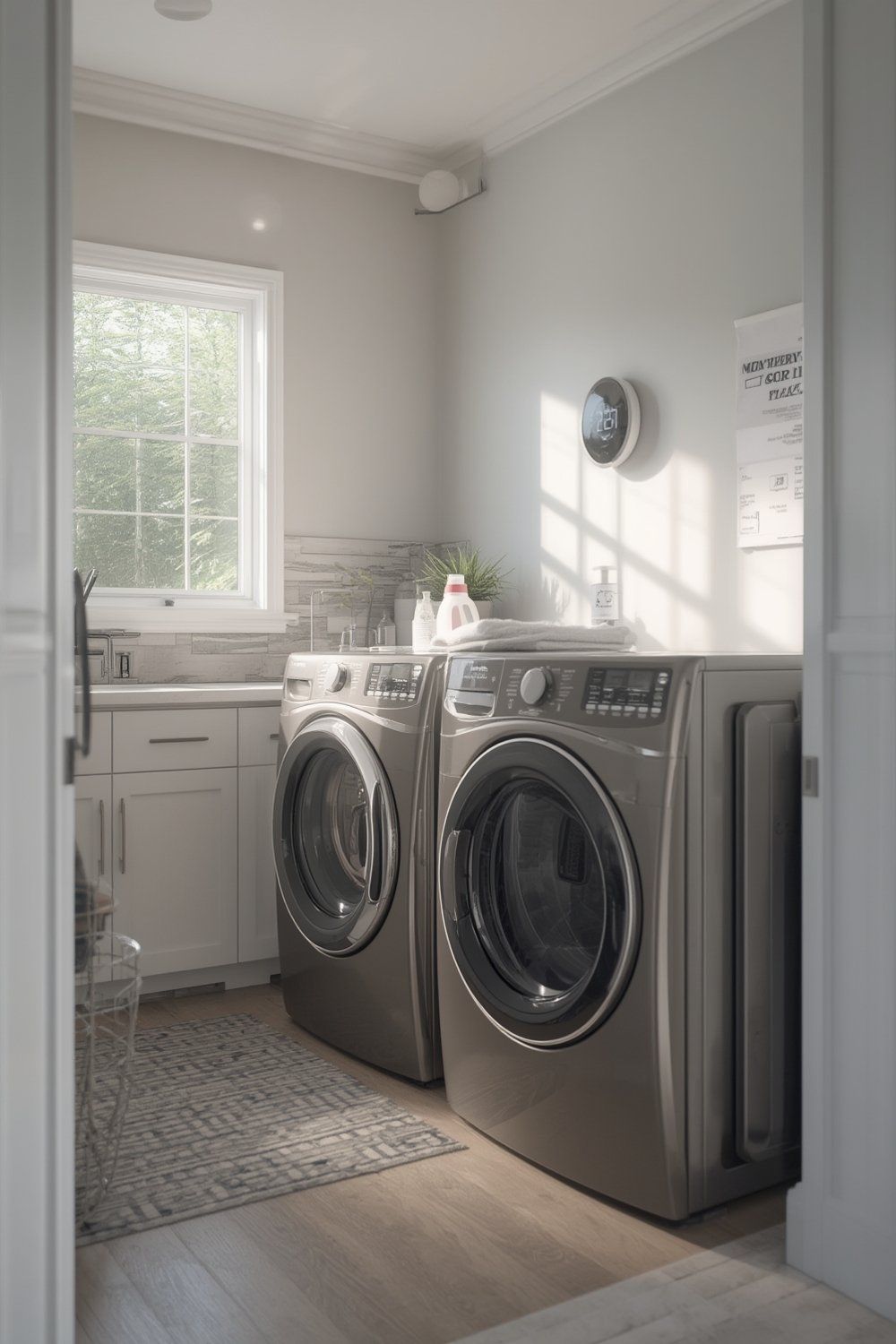
How energy use and annual operating cost actually compare (heat pump vs gas)
Here’s how a heat pump dryer practically matches up against your current gas model. Use these scenarios to plug in your local rates:
| Scenario | Gas Price ($/therm) |
Electricity Price ($/kWh) |
Gas Dryer Cost/y (80 therm/yr) |
Heat Pump Dryer Cost/y (620 kWh/yr) |
Annual Difference |
|---|---|---|---|---|---|
| Scenario A (Moderate elec/High gas) |
$1.50 | $0.15 | $125 | $93 | $32 cheaper for heat pump |
| Scenario B (Low gas/High elec) |
$1.00 | $0.28 | $88 | $174 | $86 more for heat pump |
Mapping these numbers: If your electric rate is below $0.18/kWh and/or your gas rate is high, you may see modest savings. If your utility charges more for power (common in the Northeast, California), or your municipality has subsidized gas, a heat pump dryer could actually cost more to operate than your existing gas unit.
For reference: Yale Appliance and other test labs confirm these kWh/yr assumptions. Check your utility bills before deciding.
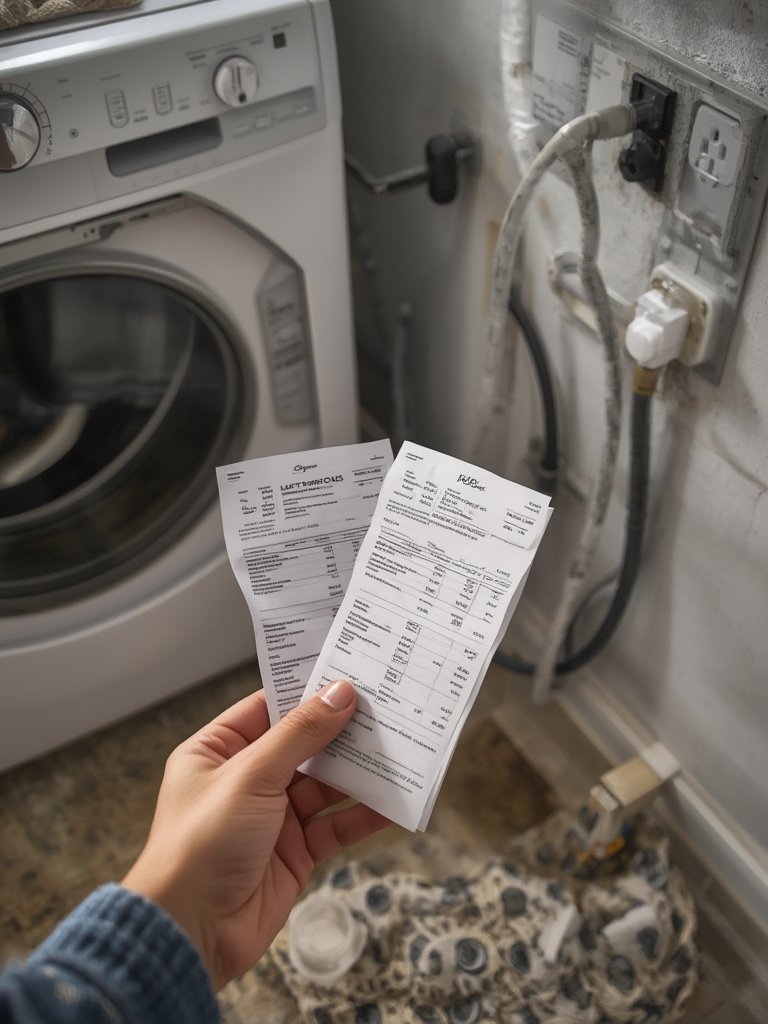
Emissions and the grid effect — when electrifying helps (and when it doesn’t)
The climate benefit of a heat pump dryer depends almost entirely on how clean your local electricity grid is. According to a ScienceDirect 2025 study:
- If you’re on a clean, renewables-heavy grid (like parts of the Northwest), switching from gas to an efficient electric/heat pump dryer can reduce your lifecycle emissions by up to 91%.
- If you’re on a coal-heavy or carbon-intense grid, the same switch can increase emissions by 223% compared to gas.
So, it’s not a given that ditching the gas dryer is always greener. Check your state’s grid mix (EPA, utility websites) before making this choice.
For more, see ENERGY STAR’s heat pump dryer fact sheet.
Real user experience — drying times, noise, and fabric care you should expect
Heat pump dryers are not just “plug-and-play” upgrades from gas. User feedback and test lab data show:
- Drying times: Typical gas dryer cycles finish in 40–60 minutes, full-size heat pump dryer cycles can run 80–120 minutes or more. In “eco” mode or for heavy loads, some users report 90–150 minutes. Overnight or batch scheduling is common.
- Noise: Compressor hum replaces the “whoosh” of gas. Some find heat pump dryers quieter, while others dislike the steady low-frequency sound—especially in closets or apartments.
- Fabric care: Most users say clothes last longer and delicates suffer less damage, thanks to lower temperatures. However, some complain garments feel “damp” or “cool” at the end, which is often just the lower air temp, not residual moisture.
For detailed fabric care tips and maintenance, read our shower tile care article—the approach to cleaning and gentle care applies here too.
Most common user complaints after switching (and how to avoid them)
Real-world owners offer honest warnings:
- Long cycles: 90–150 minutes common (especially on “eco” or “mixed” settings).
- Extra filter/condenser cleaning: Most heat pump dryers need their secondary filter or condenser washed every few uses; neglect leads to even longer cycles.
- Manual condensate emptying: Unless plumbed to a drain, you may need to empty a drawer or tray after every few loads.
- Perceived “not dry” loads: Lower air temps mean clothes may feel cool at the end—check actual moisture, not heat.
- Fit surprises: Some models are taller or deeper than your old gas dryer; measure carefully.
- Noise/vibration: Particularly noticeable in stacked or enclosed spaces.
- Repair or service: Early-model heat pump combos show first-year service rates of 8–9%. Fan, board, or compressor repair averages $250–$600, somewhat higher than a basic gas model.
Plan ahead: choosing plumbed drain options, keeping filters cleared, and picking models with proven reliability reduces headaches.
Upfront equipment and installation costs — realistic ranges and what drives them
Here’s what you can expect to spend when switching from gas to a heat pump dryer:
- Heat pump dryer: $1,399–$2,199 (average $1,799).
- Gas dryer: $800–$1,200.
- Incremental equipment premium: $500–$1,000 vs. gas.
- Installation (gas cap/electric work/plumbing): $250–$1,000 for straightforward cases; $2,000–$3,500+ if electrical panel upgrades or complex drain lines are required.
Keep in mind that most full-size models require a 240V, 30-amp circuit. If your laundry area was always gas-only, electrical install can quickly become the major cost.
For more home infrastructure tips, see our complete bathroom guide—lots of principles overlap.
Long-term costs, maintenance, and payback examples
Let’s do real payback math:
- $650 equipment premium + $500 new circuit/gas cap = $1,150 extra compared to gas.
- At $50/year in savings vs. gas: payback is 23 years.
- At $100/year in savings vs. gas: payback is 11–12 years.
- If your region pushes higher annual electric expense vs. gas: there is no payback, only non-financial reasons to switch.
- Heat pump out-of-warranty repairs: $250–$600 each incident; Gas dryer: $150–$400.
For more strategic, whole-home efficiency numbers, check out our net-zero ready home breakdown.
Technical specs to prioritize when shopping (so your new dryer fits and performs)
Checklist for getting the most from your energy efficient clothes dryer purchase:
- CEF/EF rating: ENERGY STAR models must be ≥3.93. Look for heat pump CEF 7+
- Capacity: At least equal to your washer (full-size ≈7–8 cu ft is best for families).
- Venting: Ventless units are common; confirm whether there’s a tank or integrated drain. Drains save routine emptying.
- Electrical need: Full-size dryers usually need 240V/30A. Some compact 120V models exist but take much longer per cycle.
- Noise (dB): Seek models with 62 dB(A) or lower if installing near living spaces.
- Program flexibility: Look for time-dry overrides, multiple dryness options, and robust moisture sensors.
- Physical dimensions: Check width, depth, door swing, stacking compatibility for your actual laundry space.
For space-maximizing tips, our guide to ventless washer combos may help with non-traditional laundry room layouts.
Installation compatibility checklist (for homeowners and installers)
Before you order, work through this checklist:
- Is there a 240V, 30-amp circuit within reach? (If not, get electrical quotes early.)
- What outlets (NEMA 10-30, 14-30) are present? Will you need a plug/cord upgrade?
- Is your intended dryer fully ventless? (If so, cap the exhaust.)
- For condensate: is there a suitable drain nearby, or will you empty a tank? Estimate $100–$300 if drain plumbing is required.
- Do you have the physical space (depth, width, height)? Some heat pump dryers are deeper than gas units.
- Are you stacking the dryer? Confirm kit compatibility and weight safety.
- Is a gas stub present? Will it be professionally capped for code compliance?
This list helps you avoid “gotchas” that could add hundreds to your project. For more detailed installation advice, see our guide to home EV charger projects—the permit and panel logic often matches.
Rebates, incentives, and how to find them (2024 guidance)
Heat pump dryer rebates are almost always regional. Here’s how to track them down:
- Utility/State Rebates: Most common rebates run $50–$100 for an ENERGY STAR electric dryer (heat pump included). Pilot electrification programs sometimes offer $150–$300 for heat pump dryers specifically.
- No single national incentive: Check the ENERGY STAR rebate finder and your local utility’s website for offers.
- Eligibility: Generally open to gas-to-electric conversions, not just electric-for-electric swaps. Direct fuel-switch incentive programs do exist in select states (CA, NY, etc.).
Be sure to review eligibility and “pre-approval” steps—some utilities require forms submitted before purchase.
The three questions competitor articles usually skip (and our concise answers)
- 1. Location-specific cost math: Whether you save money depends almost entirely on your local utility rates (see table above). Heat pump vs. gas can mean +$85/yr cost or $30/yr savings. Run the numbers for your real usage and rates.
- 2. Whole-home HVAC effect: Gas and vented electric dryers exhaust conditioned air outside, forcing your HVAC to work harder in summer/winter. Heat pump dryers recirculate air—so you avoid this energy penalty and maintain indoor humidity levels.
- 3. Grid carbon intensity: On clean grids, electric switching can cut emissions 91%. On fossil-heavy grids, your footprint might be 2–3 times higher than sticking with gas (see study). Always check your state’s electricity mix.
Decision flowchart (quick guide) — “If you live in X, do Y”
- If your electricity rate is < $0.18/kWh or your grid is mostly clean energy, and you like long-term savings: Go heat pump.
- If electricity is pricey (>$0.20/kWh) but your utility offers big rebates, and you care about gentle drying/ventless: Go heat pump, but expect a long payback.
- If gas is cheap (<$1.10/therm), electricity is >$0.24/kWh, or you have no 240V circuit: Stick with gas or high-efficiency vented electric.
- If you always need quick cycles, run big loads daily, or hate filter cleaning: Skip heat pump for now.
- Always double-check space, outlet, and drain compatibility before you buy.
For incentive-chasing and installation readiness, follow our vinyl flooring guide—good step-by-step logic applies!
Practical tips for owners who already switched — reduce complaints and improve satisfaction
- Run full loads (but don’t overstuff the drum).
- Avoid “eco” cycles when you need faster drying—select time-dry or high-temp for occasional quick batches.
- Clean both filters (lint screen and condenser) with every few uses—neglect is the #1 cause of slow drying.
- If you have variable electric rates, shift laundry to off-peak hours.
- Schedule laundry so drying can run overnight, during work, or while you’re not in a rush.
- Plumb the condensate drain if possible. If you’re stuck with a manual tank, get in the habit of emptying every few loads.
- Watch for any strange noises in the first year and address under warranty. Prompt service helps.
(Like in our WaterSense low-flow fixture guide, maintenance makes a major difference in performance and longevity!)
Recommended headline models / feature bundles to look for (short list for research)
- Seek full-size heat pump dryers (7–8 cu ft) rated CEF 7+, ENERGY STAR certified, and with a built-in or included drain hose.
- If stacking, make sure your washer/dryer duo has a tested stacking kit and matches weight limits.
- For quiet operation, look for models with “quiet” marketing claims and dB(A) ratings of 62 or less.
- Beware: 120V compact models are very slow and best for apartments, not families.
- Brands to research for 2024: LG, GE Profile, Whirlpool, Bosch, Electrolux. Always compare user reviews for repair/Customer Service track record.
- Typical retail: $1,399–$2,199 standalone (combos, up to $2,999).
CTA and next steps for the reader (what the homeowner should do this week)
Before making the switch, take these actionable steps:
- Pull your last gas and electric bills and jot down both rates.
- Estimate number of dryer loads per week. Use our scenario math above for cost projections.
- Measure your laundry space (width/depth/height) and check for drain options.
- Check if you have a 240V, 30-amp circuit. If not, price out installation with/without an electric panel upgrade (expect $250–$1,000 for a basic install; $1,500–$3,000+ if the panel needs upgrading).
- Search the ENERGY STAR rebate finder and your local utility’s site for rebates.
- Get two installer quotes—ask if a panel upgrade will be needed and what codes/permits apply for gas capping.
- Print out this questions list for your installer:
- Does my panel and circuit meet manufacturer specs?
- What’s best for condensate removal—tank or plumbed drain?
- Will the dryer fit in my laundry space, especially if stacking?
- Are there local code or permit issues for capping gas/appliance replacement?
FAQ
Will a heat pump dryer really lower my utility bills if I have cheap electricity?
If your electricity is below $0.18/kWh and gas is moderate or expensive, you may see modest annual savings, especially if you do 4+ loads per week. Always check your actual rates and usage before assuming a big win.
How much longer does a heat pump dryer take compared to a gas dryer?
Typical cycles are 80–120 minutes versus 40–60 minutes for gas. Heavy or “eco” loads can take up to 150 minutes. Planning around longer cycles is essential for satisfaction.
What’s the carbon impact of switching from gas to heat pump?
It entirely depends on your region’s grid. Low-carbon grids (hydro, wind, solar-heavy) offer strong climate savings; fossil-heavy grids might increase your dryer’s CO2 output. Use EPA/utility data or this lifecycle study for details.
Do I need to upgrade my electric panel for a heat pump dryer?
Only if your current panel is full or lacks a 240V, 30-amp circuit. In many suburban homes, panel upgrades are not needed but should be assessed by a licensed electrician.
What maintenance do heat pump dryers require?
You must clean both the lint filter and the condenser regularly—usually after every few loads. Check (and empty, if required) the condensate tank. Poor maintenance causes longer cycles and higher energy use.
—