

### Blog Post:
Net-zero ready home is not just a buzzword in 2024—it’s a proven path to slashing utility bills, unlocking powerful incentives, and boosting resale value with practical, phased energy efficient home upgrades. Yet, the steps, payback details, and certification choices are far less clear than they should be.
Key Takeaways
- Net-zero ready home upgrades can be staged for big impact, especially when you leverage incentives, energy audits, and strategic electrification.
- The fastest payback often comes from envelope sealing, insulation, and heat pump upgrades—before adding solar for full “net-zero” potential.
- Critical details on costs, incentives, payback periods, and certifications are often missing online; this guide delivers real numbers, sources, and step-by-step planning.
- What “Net‑Zero Ready Home” Actually Means (vs. Full Net‑Zero)
- How to Get Your Home Net-Zero Ready: A Step-by-Step Guide
- Advanced Analysis & Common Pitfalls
- Conclusion & Next Steps
- FAQ
What “Net‑Zero Ready Home” Actually Means (vs. Full Net‑Zero)
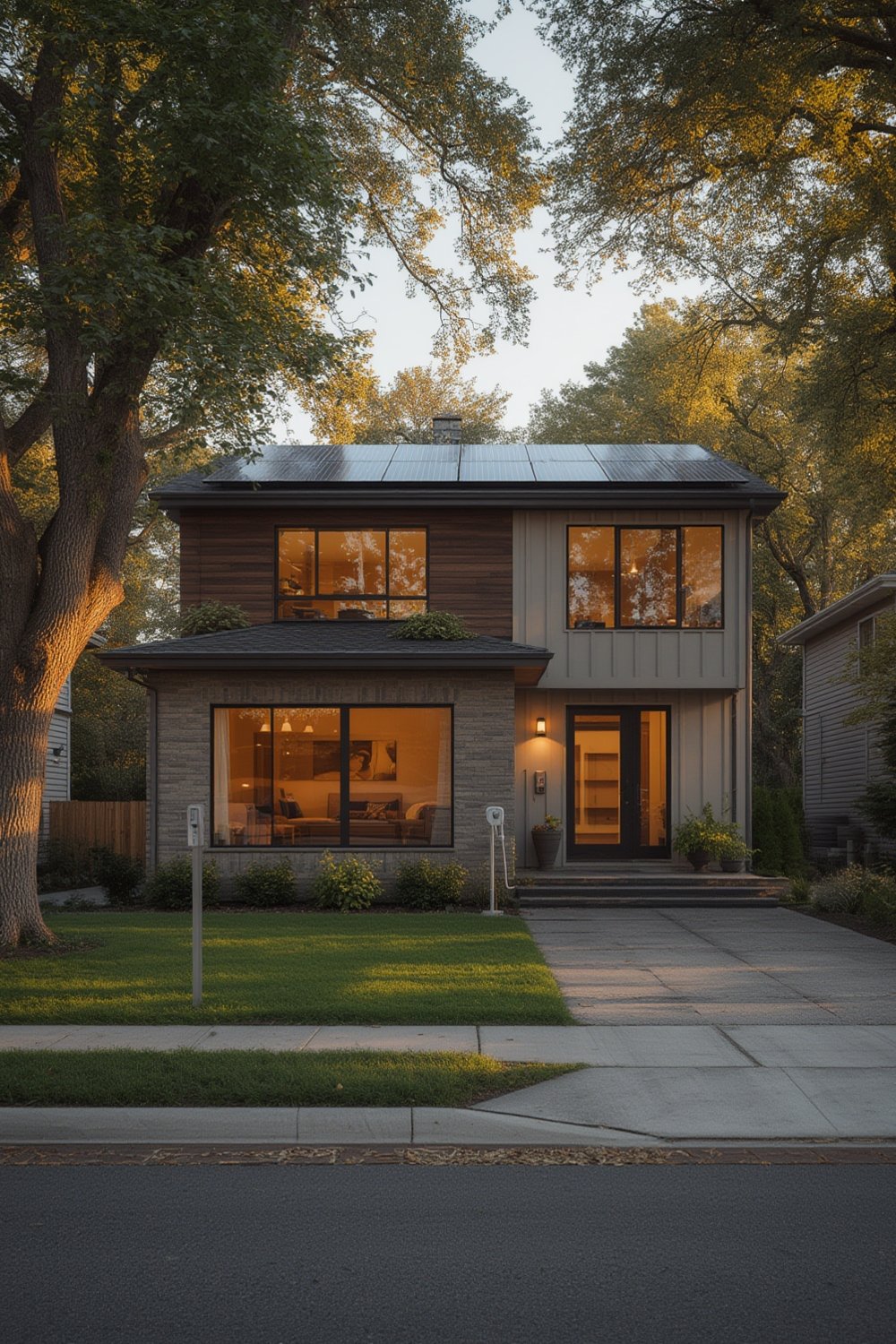
A net-zero ready home is designed or upgraded to drastically minimize energy demand—think advanced insulation, high-efficiency electric systems, and smart controls—so that remaining energy needs can realistically be met by renewables in the future, either on your roof or via community/shared solar. Unlike a full net-zero home, which generates enough on-site renewable energy (usually solar) to cover its needs from day one, net-zero ready focuses on aggressive demand reduction and locks in a clean, all-electric, low-usage baseline.
The DOE Zero Energy Ready Home program is the gold standard for this strategy. Version 2 now covers multifamily as well as single-family, certifying homes that are super-insulated, airtight, equipped with high-efficiency systems, and ready to offset their energy use with renewables—even if the panels come later. This matters for phased retrofits: you can stage upgrades (envelope, HVAC, etc.) as funds and incentives allow, then finish with solar for full net-zero status.
Global demand is surging: the worldwide net-zero energy building market was worth about $41.7 billion in 2024, with residential projects leading at 38% share (≈$15.84 billion)[Source]. In the US, the market size is around $11.3 billion in 2024, expected to double by 2030 thanks to incentives and state mandates (like California’s code)[1].
How to Get Your Home Net-Zero Ready: A Step-by-Step Guide
If you’re a homeowner or developer ready to invest $5k–$100k for long-term savings and value, here’s how to maximize your results—and incentives—without getting stuck on the common pitfalls most guides skip.
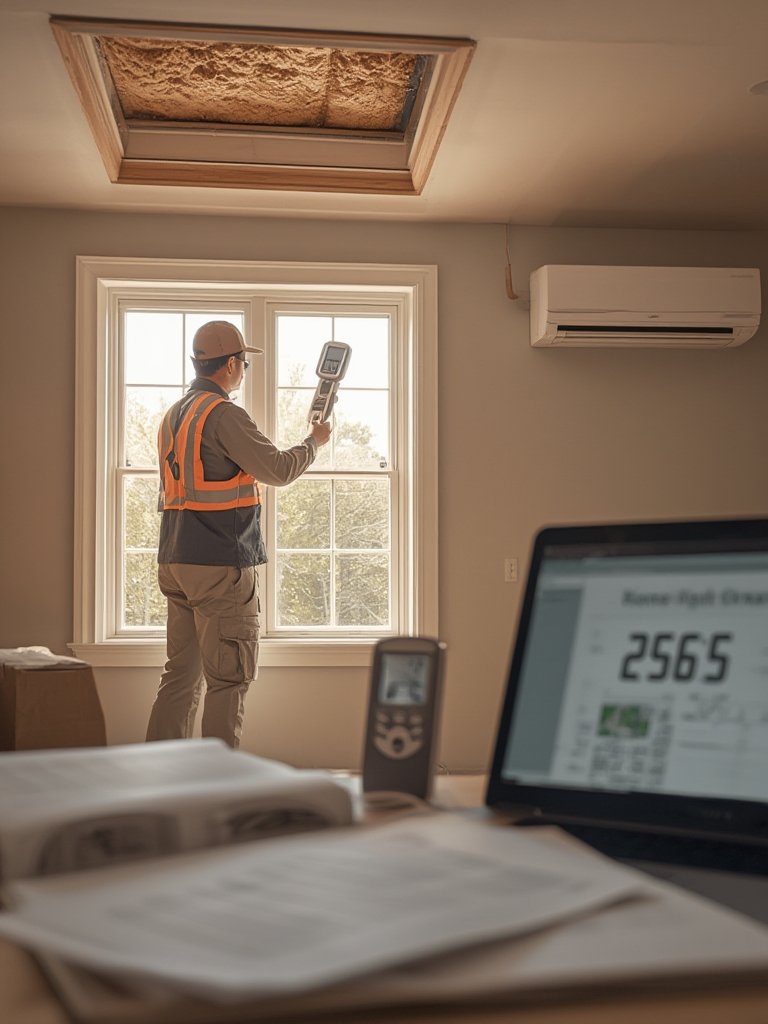
Step 1: Audit and Plan
- Book a blower door and infrared scan energy audit.
- Set a target: “Net-zero ready” (ultra low load, all-electric, solar-ready) or “full net-zero.”
- Gather utility bills, home blueprints, and appliance/HVAC details.
Step 2: Target the Envelope First
- Add attic and wall insulation to cut losses (blown cellulose: $1.50–$3/sq. ft.; Spray Foam: $3–$6/sq. ft. in 2024). ROI is highest in cold or hot climates.
- Seal all penetrations, rim joists, and ductwork. Air-sealing: $1–$2/sq. ft. professionally.
- Upgrade windows to ENERGY STAR triple-pane as needed ($700–$1,400 per window installed nationally; lower in bulk or cold climate zones).
Step 3: Electrify & Upgrade Controls
- Replace gas/oil HVAC with cold-climate air-source heat pumps ($13,000–$24,000 whole-house; $3,500–$7,500/zone Mini-split heat pumps; [DOE guide]).
- Switch to heat pump water heaters ($2,000–$4,500, including install; boost by adding low-flow WaterSense fixtures).
- Add programmable smart thermostats and ventilation with energy recovery (ERV/HRV: $2,400–$5,000 installed, crucial for airtight homes).
Step 4: Solar & Storage-Ready Upgrades
- Size roof or yard solar (6–10 kW, $18,000–$34,000 before incentives, $12,600–$23,800 after 30% federal tax credit in 2024, per DOE/EnergySage data).
- Add Battery Backup (optional): $10,000–$20,000, often eligible for additional credit.
Step 5: Certification (Optional But Valuable)
- DOE Zero Energy Ready Home: Free registration, builder/contractor manages reporting.
- Passive House: $3,000–$5,000 certification costs (varies); more rigorous envelope/airtightness targets, longer process.
- ENERGY STAR: Usually included by major builders, much less stringent than the above.
Step 6: Ongoing Monitoring & Resale
- Track energy use, utility bill drops, and smart controls analytics.
- Document upgrades, rebates, and certifications for future appraisers/buyers.
Want a more detailed insulation breakdown? Check the Complete Guide to Foam Insulation for Homes for R-value comparisons and regional cost guidance.
Advanced Analysis & Common Pitfalls
Despite market momentum, most competitor content leaves you in the dark on payback math, real-world snags, and certification tradeoffs. Here’s where to be vigilant:
Technical Difference: Net-Zero Ready versus Full Net-Zero
| Feature | Net-Zero Ready Home | Full Net-Zero Home |
|---|---|---|
| Envelope | Super insulated, airtight, electric-ready | Same as “Ready” |
| Systems | High-efficiency electric, smart controls | Same or higher efficiency |
| Renewables | Wired/structurally ready for solar, not yet installed | Solar PV (on-site), meets modeled demand |
| Certification | DOE Zero Energy Ready Home, Passive House “EnerPHit,” or equivalent | Same as left plus documented generation/usage offset (annual) |
| Resale Value | High—ready for solar upgrades, lower bills | Highest—zero bills, green premium |
Homeowner Barriers That Matter
- Upfront costs still top the list (especially for insulation/windows and HVAC). Phased retrofits, on-bill financing, and incentives help but don’t eliminate the sticker shock.
- Contractor shortages for heat pumps and advanced envelope work are region-dependent; check DOE program resource lists early.
- Permitting and inspection: Many cities now have expedited solar/electrification permitting, but always ask up front for current timelines and required documents.
Few competitors break down upgrade-level ROI. For example, attic insulation or air-sealing commonly pays back in 2–7 years (DOE data), heat pumps in 7–12 years, and solar in 8–13 years after incentives. Your numbers will vary by location and utility prices.
Real-World Retrofit Case Studies
-
Case Study #1: Small Retrofit (Pacific NW, $13,800 total)
– Envelope air-sealing ($2,600, 25% state/utility rebate)
– Attic cellulose insulation ($3,200, 30% federal tax credit)
– Mini-split heat pump ($6,500; $1,000 utility rebate)
Annual gas bill dropped by $670; electric use rose slightly, but total bills down 38%. Simple payback: 8–9 years after rebates/credits. -
Case Study #2: Whole-house, High-efficiency (MA, $52,000 before credits)
– Dense-pack wall/attic cellulose ($11,000)
– Triple-pane windows/doors ($13,500)
– Air-source whole-house heat pump ($22,000)
– Solar PV (8 kW, $22,000 before ITC)
– ERV for ventilation ($5,400)
– Rebate/tax credits: ~$16,000
Energy bills cut from $3,150 to $580/year (82% drop). Total net cost after incentives: $36,000. Simple payback: ~11 years forecast, adding solar allowed future billing to net $0.
Costs by Upgrade, 2024 National Averages
| Upgrade | Low Cost (USD) | Typical/Median (USD) | High Cost (USD) |
|---|---|---|---|
| Attic Insulation (blown cellulose) | $1.50/sq.ft. | $2.00–$2.50/sq.ft. | $3.00+/sq.ft. |
| Spray Foam | $3.00/sq.ft. | $4.50/sq.ft. | $6.00/sq.ft. |
| Air Sealing | $1.00/sq.ft. | $1.50/sq.ft. | $2.00/sq.ft. |
| Triple-Pane Windows | $700/window | $950–$1,250/window | $1,400/window |
| Heat Pump (whole-house) | $13,000 | $16,500–$20,000 | $24,000 |
| Heat Pump Water Heater | $2,000 | $2,800–$3,500 | $4,500 |
| Solar PV (6-10 kW) | $18,000 | $24,000–$29,000 | $34,000 |
| Battery Backup (optional) | $10,000 | $15,000 | $20,000 |
| ERV/HRV Ventilation | $2,400 | $3,800–$4,500 | $5,000 |
Want an actionable worksheet to estimate your project? Download our free cost & upgrade worksheet at the end of this guide.
Certification: DOE Zero Energy Ready Home vs. Passive House vs. ENERGY STAR
| Program | Focus | Energy Criteria | Verification/Test | Typical Process & Cost |
|---|---|---|---|---|
| DOE Zero Energy Ready Home | Whole-building, all-electric, solar-ready | Ultra low load; ready for renewables | Blower door; third-party verified | Builder-managed; cost: free–low |
| Passive House (PHIUS/PHI) | Max envelope, air-tightness, and balanced ventilation | Passivhaus metrics (heating/cooling ≤ specific kBtu/sq.ft) | Multiple site visits, thermal testing | Certifier fee $3k–$5k; upgrades ≈ 10–15% extra |
| ENERGY STAR Home | Above code, efficient appliances/systems | ≥10–20% better than code | 1–2 site verifications | Builder-managed, cost typically baked in |
For a cosmetic upgrade with value, ENERGY STAR will do. For serious net-zero ready value, aim for DOE ZERH or Passive House—ideally with third-party verification.
Include these tools and visual assets with your project planning:
- Downloadable cost estimator & phased upgrade worksheet (Excel/PDF)
- National/state incentives tool: DSIRE (Database of State Incentives for Renewables & Efficiency)
- Contractor interview checklist (see final section for link)
- Side-by-side certification chart (see above)
And for wet area retrofits, review how upgraded waterproofing adds “hidden” envelope value.
Conclusion & Next Steps
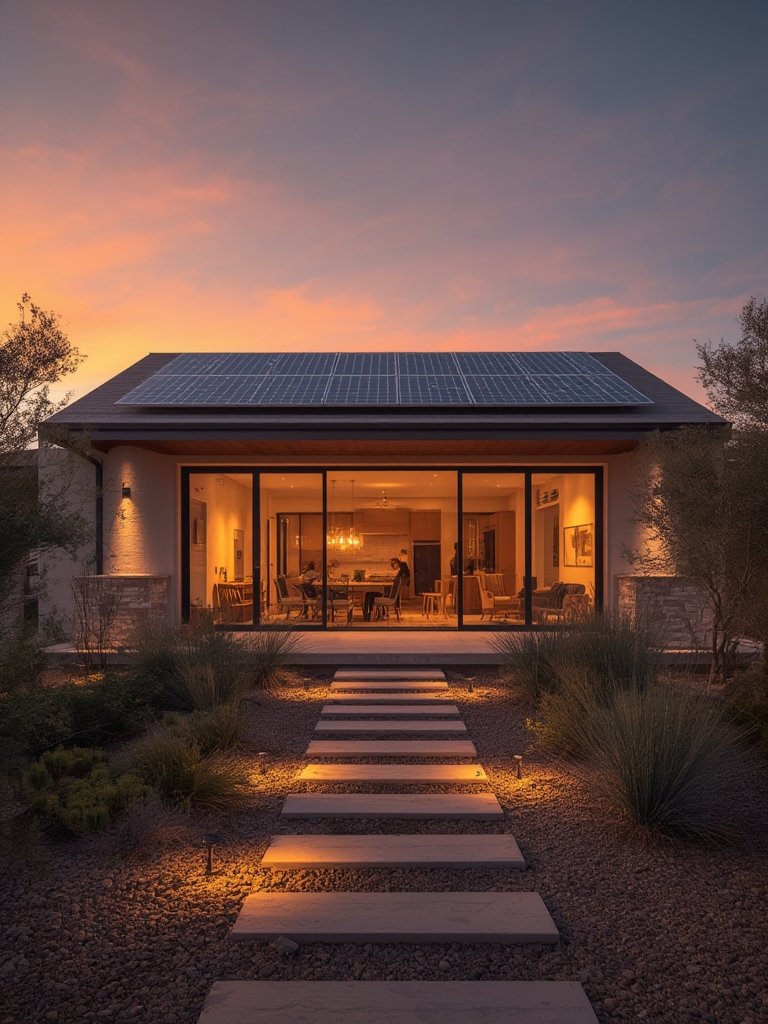
A net-zero ready home isn’t an all-or-nothing project. With the right data, incentives, and staged approach, you’ll shrink your energy bills and carbon footprint, and increase resale value—whether you’re aiming for DOE Zero Energy Ready, Passive House, or a hybrid path. Use this guide, our free worksheet, and the resources above to take the next step.
Ready to get started? Download our cost worksheet, find local incentives now, or book an energy audit for your net-zero ready home today.
FAQ
How is a net-zero ready home different from a full net-zero home?
A net-zero ready home is designed or retrofitted for ultra-low energy demand and electrified systems, but may not yet have on-site renewables installed. Full net-zero covers all annual energy needs with renewables like solar, typically from day one.
What incentives are available for energy efficient home upgrades in 2024?
Homeowners in the US can typically claim a federal tax credit of 30% for solar, up to $2,000 for heat pumps, and various rebates for insulation, ventilation, and smart controls. Incentive amounts and availability vary by state—always check DSIRE for real-time data.
What’s the fastest payback energy efficient upgrade?
In most climates, air sealing and insulation offer the quickest payback (2–7 years), especially when combined with rebates. In regions with old, inefficient HVAC, replacing with heat pumps can also pay off in 7–12 years.
Can I do these upgrades in phases or do they all have to be completed at once?
Phased retrofits are not only possible but recommended—envelope and HVAC first, solar/renewables last. This approach maximizes available cash flow, incentive “stacking,” and project manageability.
Are there drawbacks to certification (DOE ZERH, Passive House, ENERGY STAR)?
Certification adds some upfront cost and paperwork but increases resale value and quality assurance. DOE ZERH is practical for phased retrofits; Passive House is the toughest but most energy-stingy; ENERGY STAR is least rigorous but still adds value.
—