

### Blog Post:
Ventless washer combo units are quickly becoming the top appliance pick for apartment dwellers and homeowners struggling with limited laundry space who want to sidestep high utility bills and messy installation hassles. If you’re tired of confusing marketing claims and just need a realistic answer about which ventless or heat pump combo washer dryer is truly worth it, this guide tells it straight—down to the energy, water, and space math.
Key Takeaways
- Ventless washer combo units save space and avoid costly vent or panel upgrades, but differ widely in real-world energy and water use—especially between condenser and heat pump models.
- New 120 V plug-and-play heat pump combo washer dryers offer drastically lower running costs (40–60% less drying energy) with easier installs in apartments and small homes.
- Expect long wash+drys (3–4+ hours) and plan for maintenance—neglecting filters or overloading cuts lifespan and leaves laundry damp.
- Quick snapshot — Ventless washer combos vs heat pump combo washer dryers
- How the tech works — Condensing vs heat pump ventless systems
- Real-world performance comparison (energy, water, drying times, fabric care)
- The biggest user headaches — drying efficiency, maintenance, and longevity
- True cost of ownership for small homes — purchase price, installation, and running costs
- Three critical issues competitors gloss over (and exactly how they change the decision)
- Which models to consider for apartments — recommended ventless & heat pump combos with specs
- How to test a demo unit or read reviews like a pro (acceptance checklist)
- Maintenance plan and simple hacks to extend life and reduce complaints
- Future-proofing: 2024–25 tech updates and what to look for next
- Quick recommendation matrix — which combo to pick based on priorities
- FAQ to answer common buying questions
Quick snapshot — Ventless washer combos vs heat pump combo washer dryers
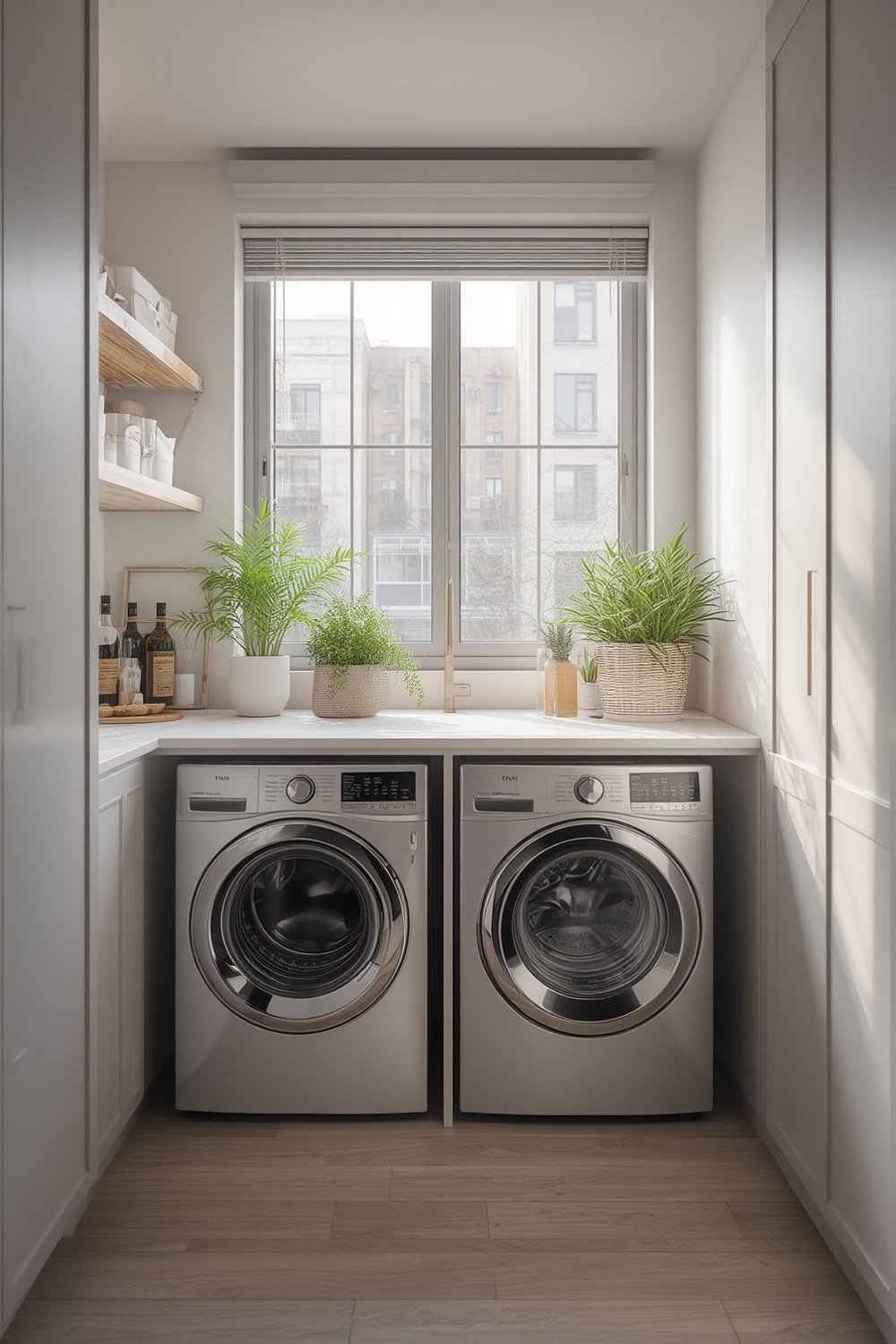
Ventless washer combo units fall into two camps: traditional condenser (uses water or air to condense and expel moisture) or newer heat pump combos (leverages a refrigerant loop to recapture heat at much lower energy and water cost). Ventless condenser combos are older, more affordable, and widely available, but have higher utility bills and require more water for drying. Heat pump combo washer dryers are newer, with higher purchase prices, but much lower running costs and easier installation. For urban dwellings, small homes, and apartments—especially rentals—heat pump combos on standard 120 V plug are quickly replacing vented units because they avoid venting and costly electrical upgrades. The global washer-dryer combo market is valued at USD 17.8 billion in 2024, and the ventless and heat pump segments are the key drivers of that growth, especially in cities where space and infrastructure are costly.
How the tech works — Condensing vs heat pump ventless systems (simple explainer)
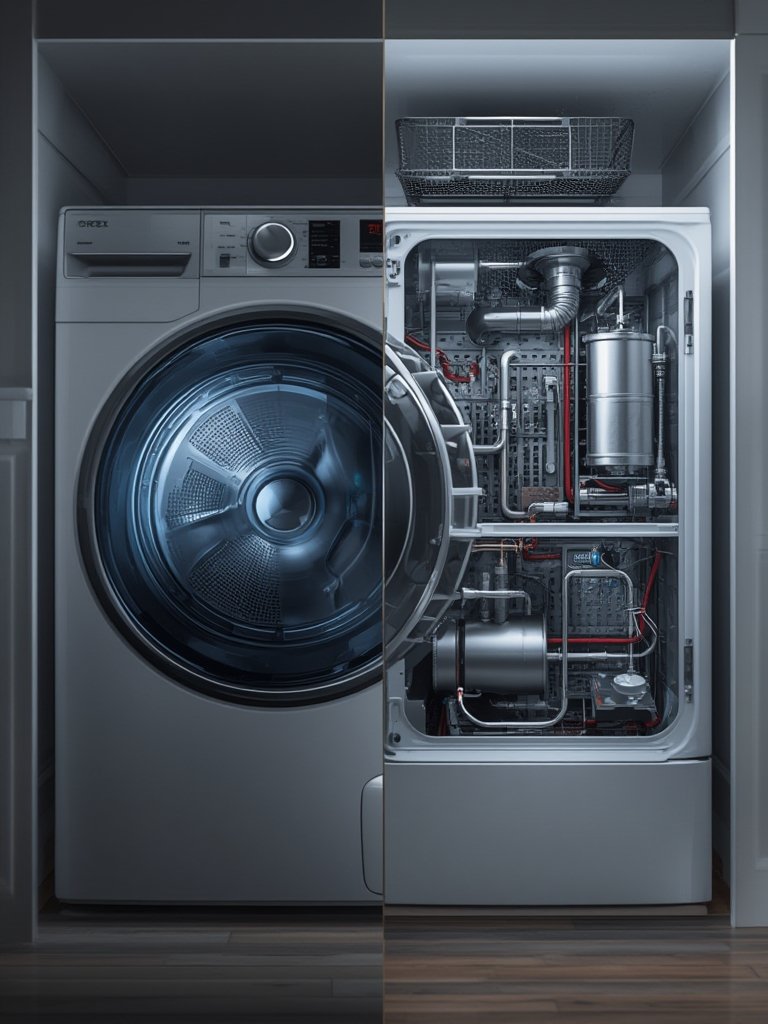
Condensing ventless washer-dryer combos remove moisture from clothes by heating air, then condensing it onto a cold surface — draining the liquid away. The method is straightforward, but total water use can be surprisingly high. Because condensing often relies on cold running water to cool that surface, some units use nearly double the water of a standard wash cycle.
Real-world performance comparison (energy, water, drying times, fabric care)
Let’s break down the everyday differences between a heat pump combo washer dryer and a traditional condenser ventless washer combo:
| Category | Condenser Ventless Combo | Heat Pump Combo Washer Dryer |
|---|---|---|
| Typical Energy Use | High (resistance heater, washes & dries); higher bills over time | 40–60% less electrical use for drying (refrigerant heat pump) |
| Water Use (Wash+Dry Cycle) | Moderate to high (drying may use as much water as the wash; 2× or more total) | Low (many air-cooled; minimal water needed during drying) |
| Cycle Times | 3–4+ hours for complete wash+dry; can be longer for full loads | 3–4 hours typical, sometimes slightly longer but more energy efficient |
| Fabric Care | Hotter drying, more risk of shrinkage and fabric wear | Lower, gentler drying temperatures; safer for sensitive fabrics |
| Installation | Usually 120 V or 240 V; no venting needed | Now widely available in 120 V; easiest for apartment or old building installs |
Heat pump combos are the only option that reliably cut both your power and water bills, while being easier on your clothes—though both types require patience on cycle times.
The biggest user headaches — drying efficiency, maintenance, and longevity
Based on user reviews and technical assessments, the main issues with ventless washer combo units are:
- Long drying times (2.5–4+ hours): Many users underestimate total cycle time. Attempts to dry too large a load are the number one cause of damp clothes when the cycle finishes.
- Maintenance neglect: Lint filters and (in heat pump models) condenser/heat exchanger screens need frequent cleaning. Skipping these steps leads to poor drying, odors, and error codes.
- Clogged pumps and drainage: Lint, fabric fuzz, and sometimes forgotten socks or coins easily clog drain pumps, triggering lockouts and manual clean-out hassle. Smart habit: plan monthly quick-checks.
- Shorter expected lifespan vs. separates: Average trouble-free lifespan is about 5–7 years for most mid-market combos—less than premium separate washers and dryers which can hit 10 years or more.
- Noise in small spaces: High-speed spin is a blessing for shortening dry time, but combos in small closets/kitchenettes can rattle. Always test vibration in situ before purchase, or check review patterns for your exact model.
Many competitors skip discussing water use during drying, 120 V vs 240 V install constraints, and the reality that drying capacity is usually only 50–70% of the rated wash capacity. If you overload, expect incomplete results and repeated cycles.
True cost of ownership for small homes — purchase price, installation, and running costs
Upfront price for a ventless washer combo can range from $600 for entry condenser units to $2,800 for the newest and largest heat pump combos. Typical installation is $100–300 for a replacement, but if you avoid upgrading your panel (often $500–2,000+) or venting (usually $200–600+), savings with a plug-and-play 120 V model add up fast.
Heat pump combos shine over the years—saving several hundred to over $1,000 in electricity across 10 years in households doing 4–5 loads/week, according to CalNEXT/NEEA data. Condenser types cost less upfront but often cost more in energy and water for the same laundry workload. Always multiply running cost savings by years and weigh against the upfront sticker—especially if you expect to move within 5 years or rent out the space in the future.
Three critical issues competitors gloss over (and exactly how they change the decision)
- Water used during drying: Only heat pump combos with air-cooled condensers minimize extra water use. Condenser combos using water-cooled condensers can double water usage—bad news in drought-prone regions or where water is expensive.
- Electrical compatibility (120 V vs 240 V): Most small-space buyers want to avoid panel upgrades. New 120 V heat pump combos (GE UltraFast, LG, Samsung) are a game changer—most older homes, condos, or rented apartments won’t need breaker work. Check your breaker and outlet before buying; running on the same circuit as a fridge or microwave may cause tripping if not planned.
- Real-world drying capacity: The “wash” size (marketed at 7–8 kg or 4.8 cu.ft in US models) always exceeds effective drying capacity. Most combos dry about 50–70% of their wash rating. If you try to dry a full washer load, clothes get damp, and you may need to run one load twice or split it. This impacts how much laundry you can get done in a day if you don’t plan ahead.
True satisfaction comes from realistic expectations: split larger loads, use high-spin, and don’t rely on squeeze-in installs without checking electrical and water lines.
Which models to consider for apartments — recommended ventless & heat pump combos with specs
Here are the most commonly recommended models for small apartments and homes, with practical suitability notes:
- GE UltraFast Ventless Inverter Heat Pump Combo (e.g., PFQ97HSPVDS): 4.8 cu.ft, 27″ wide, 120 V circuit; ideal for full family in condos or townhomes without electrical upgrades. CalNEXT technical data.
- LG WM3555H or newer heat pump lines: 2.4–4.5 cu.ft, 24–27″ widths, most compact at 24″, available in both condenser and heat pump designs. 120 V/240 V options. Great for closet installs or bathroom integrations.
- Bosch 500/800 Series Compact Combos: ~2.3–2.5 cu.ft, ventless condenser or heat pump (varies by region), 24″ width for tight nooks or under-counter. Suits singles, couples, or tiny families.
- Miele WTH Series (EU/UK): 7–8 kg wash / 4–5 kg dry capacity, premium quiet operation—best for those wanting longevity, fabric care, and minimal maintenance headaches.
Always cross-check the latest manufacturer efficiency reports and measure your space before selecting a model.
How to test a demo unit or read reviews like a pro (acceptance checklist)
- Check the default and max spin speed on fabric/cotton cycles—higher spin = less dry time needed.
- Look at the actual mixed cotton wash+dry cycle duration. Anything over 4 hours? That’s a red flag unless you have flexible routines.
- Test drying completeness: Fill only to ~60% of the washer capacity and check if the clothes come out dry.
- Noise and vibration: Close the closet or a door if possible; listen for rattles or vibrations—especially apartment buyers should insist on an in-situ test if allowed.
- Check how easily you can access and clean filters, drain pumps, and condensers—cramped or tool-only access will mean costly maintenance down the line.
Internal reviews are your friend, but always look for users who match your own situation: small apartment, moderate load size, careful maintenance. Skip reviews from users who clearly overloaded or never cleaned filters.
Maintenance plan and simple hacks to extend life and reduce complaints
- Monthly: Remove and clean lint filters, wipe down door gasket and detergent drawer. Open door after cycles to dry the drum—prevents musty smells.
- Every 3–6 months: Clean or descale condenser/heat exchanger (if accessible); run a drum sanitize or self-clean cycle if the model offers it.
- Annually: Check and manually clean drain pump filter, especially if the unit throws error codes or drains slowly.
- Daily/weekly: Don’t overload. Always shake out lint bunnies from clothing before washing; reduces buildup in the system.
- For persistent odors or slow cycles, a pH-neutral cleaner inside the drum helps—just like in shower tile maintenance, preventing buildup is easier than deep cleaning later.
Pro tip for extending life: Never let wet loads sit in the washer before running “dry”. The sooner you start the dry cycle, the less odor and the less the machine wears out.
Future-proofing: 2024–25 tech updates and what to look for next
The market is moving fast—120 V ENERGY STAR heat pump combo washer dryers led by LG, Samsung, and GE (see CalNEXT) are already helping apartment buyers sidestep major upgrades. Look for inverter heat pumps and officially DSM (demand-side management) enabled models for peak-time energy optimization. Models with smart Wi-Fi control can schedule cycles for lower rates or dryer grid loads, similar to Net-Zero Ready Home strategies. Keep an eye out for new refrigerant types (lower global warming impact) and reduced microfibre release features in the next 18 months. As efficiency rules tighten, expect more 120 V plug-and-play combos and digital tools that help schedule, troubleshoot, and manage maintenance.
Quick recommendation matrix — which combo to pick based on priorities
| Priority | Model Type | Rationale | Final Tip |
|---|---|---|---|
| Lowest upfront cost, single occupant | Compact condenser ventless combo (e.g., Haier, Beko, Bosch 500) | Low purchase price, fits kitchens/closets, manageable maintenance for light loads | Plan to use high-spin, wash smaller loads; check for accessible filters |
| Lowest ongoing bills, energy-conscious renter | 120 V heat pump combo washer dryer (GE UltraFast, LG latest, Samsung) | Upfront price higher, but 40–60% less electricity and easier installation saves $1,000+ long-term | Check your circuit; opt for DSM/smart features if available |
| Small family/increased throughput | Larger heat pump ventless combo (GE UltraFast 4.8 cu.ft, LG Signature) | Full-size loads, strong spin, 120 V install, reliable drying capacity for 2–3 people | Expect to split or time loads for back-to-back laundry days |
Remember, urban apartments and small homes disproportionately use combos—choose based on install constraints, long-term savings, and actual day-to-day laundry routine. If you’re into maximizing water savings, also see our WaterSense guide.
FAQ to answer common buying questions
How long does a full wash and dry cycle actually take with a ventless washer combo?
Most units run a wash+dry cycle in 3–4 hours for average cotton loads. Heavy or overloaded loads can take longer than 4 hours or may require an extra dry run.
Will I need to upgrade my electrical panel to install a heat pump combo washer dryer?
New 120 V models (GE UltraFast, LG, Samsung) are designed for standard household outlets and typically do not require panel upgrades, saving $500–2,000+ in many older homes and apartments.
Is a heat pump combo washer dryer really that much cheaper to run?
Yes. Compared to condenser combos, heat pump models cut drying electricity use by 40–60%, saving several hundred to over $1,000 over 10 years of typical family use.
Can I wash and dry a full load at once?
Usually not. Most combos advertise up to 7–8 kg wash, but their real drying capacity is about 4–5 kg (50–70%). For best results, either split the washed load or select a combo sized for your routine.
Are ventless combos high maintenance?
Not if you’re consistent: clean lint filters monthly, run self-clean cycles as directed, and check the drain pump every few months. Neglect causes errors, odors, and poor drying—just like any modern washer or dryer.
—