

### Blog Post:
Cold plunge pool backyard installations are booming, but real-world costs, regulations, and maintenance often catch even savvy homeowners off guard. If you want to add one for sports recovery or at-home wellness, here’s the direct, numbers-first guide to what you’ll spend, what to watch for, and how to avoid the mistakes almost everyone makes the first time.
Key Takeaways
- Expect a full backyard cold plunge setup to cost anywhere from $3,500 for a simple portable to $60,000+ for in-ground, including installation, site work, and required electrical work.
- Operating costs add up: monthly electric bills can jump $20–$35 in summer, and chillers often need repairs within three years. Many models don’t reach advertised cold temps in hot weather.
- Plan for surprises: permits, insurance, HOA rules, and fence requirements can add major delays or expenses, so get local requirements in writing before you pay a deposit.
- Market Snapshot — Why Backyard Cold Plunges Are Trending Now
- Step-by-Step Guide to Buying and Installing a Backyard Cold Plunge Tub
- Advanced Analysis & Common Pitfalls (What to Avoid)
- Conclusion
- FAQ
Market Snapshot — Why Backyard Cold Plunges Are Trending Now
Backyard cold plunge pool installations are more than a biohacker fad. The global cold plunge pool/tub market is now valued at over $400 million (Transparency Market Research, 2023) with industry forecasts anticipating steady 4–6% annual growth for the next decade (TMR). North America drives about one-third of all revenue (Data Bridge Market Research), with backyard uses and recovery-focused setups dominating.
More than half (about 57%) of 2024’s cold plunge sales are for outdoor and backyard installs. Pairings with home saunas, compact “wellness retreats,” and value-added amenities for property resale are major drivers. This is especially true among active homeowners or those investing in high-end home improvements post-pandemic.
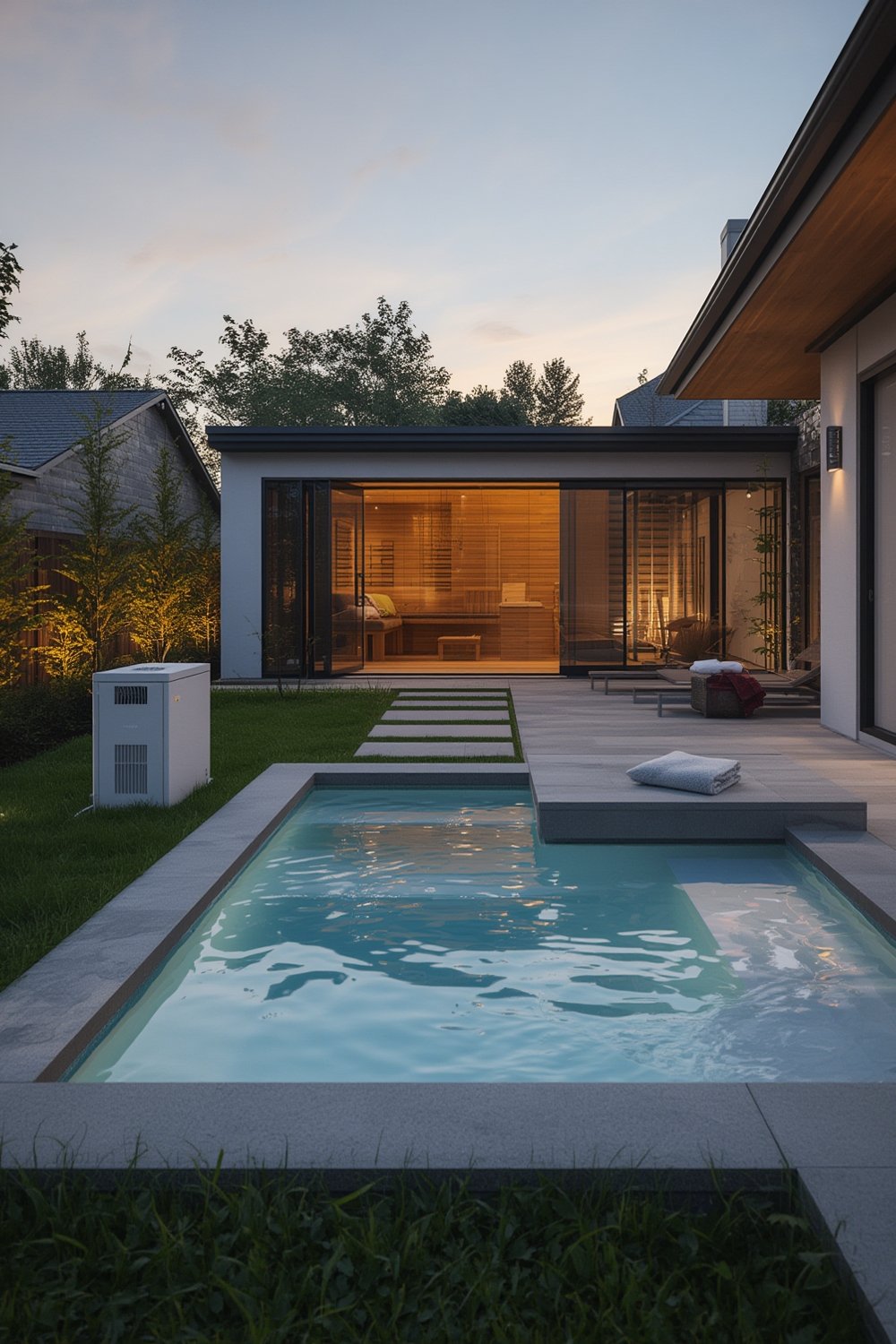
The cost for a cold plunge pool backyard setup starts low—with inflatable or soft-sided tubs easily under $1,000—but for most who want temp control, filtration, and durability, the range is $2,500–$15,000 (portable) and $20,000–$60,000 for a full in-ground project. If you’re comparing to other health upgrades such as insulated garage gyms, home saunas, or bathroom renovations, expect a plunge install to be a similar or slightly higher investment.
For those who want a buyer’s advantage, understanding the full math—from installation and electrical to ongoing operating costs and insurance—is what separates the satisfied owners from those with big regrets.
Step-by-Step Guide to Buying and Installing a Backyard Cold Plunge Tub
- Assess your goals, health, and local climate. Are you training for high performance, looking for pain relief, or just want invigorating contrast with your sauna? True recovery benefits require water at 50–59°F (10–15°C) for 10–15 minutes, but these temps come with increased cardiac workload—so if you have heart disease or hypertension, get medical clearance first (see clinical commentary).
-
Decide on type: inflatable/soft, rigid portable, or in-ground.
- Inflatable: Cheapest (from $100), very portable, lowest risk for HOA/permit issues, but leaks and punctures are common.
- Rigid portable: $2,500–$15,000 with chiller, long-term durability, best for year-round use. Needs a level pad, usually a new GFCI-protected circuit.
- In-ground: $20,000–$60,000+, major property upgrade, longest life, most involved on permitting, electrical, and fencing.
For specs, see our comparison in section three below.
-
Investigate local permit, insurance, and HOA rules before you buy.
- Most cities classify anything deeper than 24 inches as a “pool”—requiring permits, barrier fencing (often 4 ft high), and electrical inspections.
- Contact your city and HOA with a clear description (“I plan to install a 120-gallon backyard cold plunge tub with a chiller that cools to 39°F”) and get written answers before ordering.
- Notify your insurer or agent. Many carriers will require proof of fencing or a lockable cover for liability coverage.
- Shortlist three proven vendors and get quotes in writing—including delivery to final backyard location and warranty scope. Heavy tubs (200–400 lbs) often arrive curbside only; “white glove” or crane placement usually costs extra.
- Prepare your site and electrical. For a rigid tub, pour or set a level pad ($300–$2,000), and have an electrician install a GFCI-protected circuit (120V or 240V, 15–20A; $500–$2,000 if a longer run or panel upgrade needed). Pad and electrical should be in place before delivery.
- Check your warranty and delivery carefully. Insist on a startup/test run with the vendor, clear specs for noise (dB), and proof of cooling performance (<39°F at your summer ambient, not just “up to 59°F”).
- Maintain water quality and service equipment faithfully. Even cold tubs need chemical sanitation ($10–$50/month) and cartridge filter replacements every 3–6 months, plus annual chiller inspection ($100–$300).
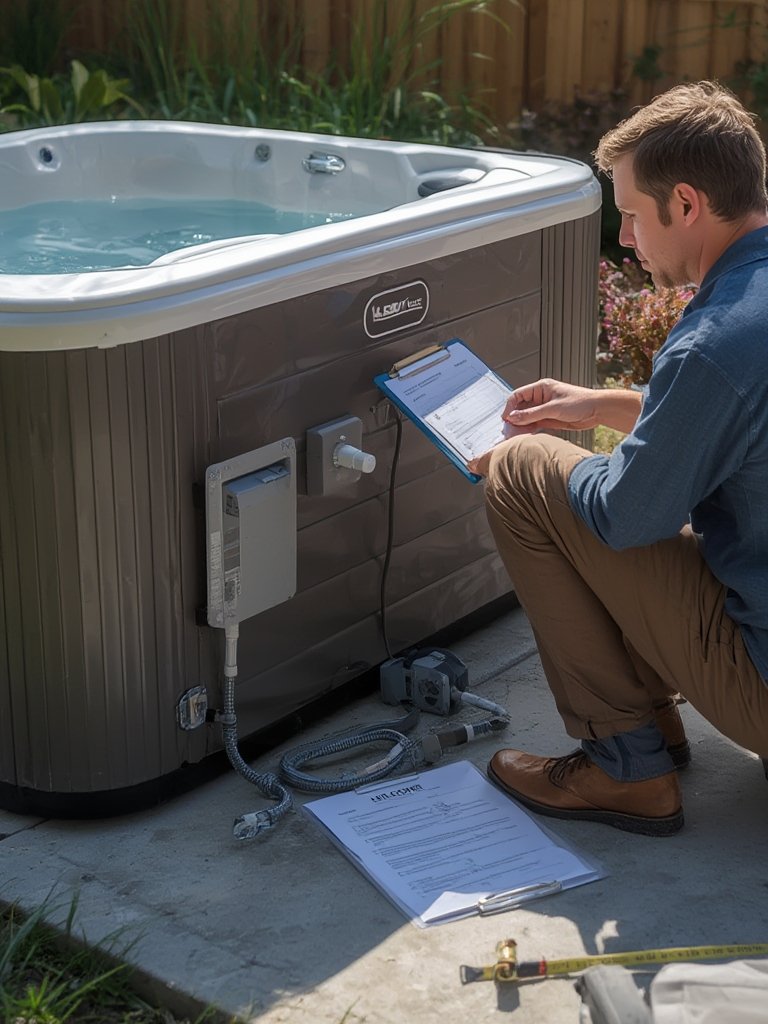
For those optimizing utility bills, look for a chiller in the 0.75 to 1 hp range, and always inquire about highest summer energy use in your region. Use our full life-cycle cost calculator below to forecast actual total spend.
Want to bridge your project to broader home upgrades? Explore our EV charger install guide for another example where electrical upgrades drive true project costs.
Advanced Analysis & Common Pitfalls (What to Avoid)
According to aggregated user reviews and research data, these are the most frequent and expensive mistakes made when tackling a cold plunge pool backyard project:
| Type | Install Cost (all-in) | Oper. Cost (mo.) | Common Pain Points | Lifespan (typical) | Who it’s for |
|---|---|---|---|---|---|
| Inflatable/Soft Tub | $100–$800 | $0–$15 (mostly ice) | Punctures, leaks, awkward draining, short life | 1–3 seasons | Short-term, renters, first trial |
| Rigid + Chiller | $3,500–$12,000 | $10–$35 | Delivery, electrical, chiller failures, noise, filtration | 5–10+ years* | Long-term, real athletes, year-round |
| In-ground | $20,000–$60,000+ | $25–$50+ | Permitting, excavation, insurance, delays, overruns | 20+ years | Luxury amenity, resale, multi-user |
- Electrical “gotchas”: Most chillers require a dedicated 15–20A GFCI circuit; strongly consider an electrician walk-through before you buy. Budget $500–$2,000 for panel work. Skipping this step is the #1 root cause of installation failures.
- Chiller underperformance in summer: In hot climates (90°F+), many portable chillers cannot reach <50°F, especially low-end models. Ask vendors for temperature drop guarantees at your typical summer ambient temp.
- Noise & placement: Chillers run at 50–65 dB (like a normal conversation), which surprises anyone who places them near sleeping or lounging areas. Get a written decibel spec. Proper site planning solves most issues.
- Permits and insurance delays: Do not skip the call to zoning and your insurer. Many cities treat “deep” cold plunge tubs exactly like pools—in-ground or not—and require permits and fencing. HOAs often restrict above-ground tubs or visible equipment in backyards.
- Premature chiller or liner failures: Cheap inflatables last 1–2 years if left outside. Even high-end chillers sometimes fail (compressor, controller) within 2–3 years due to warranty limits or overheating. Prioritize brands with strong service networks and real local support.
- Filtration & water chemistry: Even in cold water, you need chemical treatment. Bacteria and biofilm develop faster than most new owners expect. Buy extra filters ($20–$80 each, replaced every 3–6 months).
- Hidden delivery or setup costs: Don’t be surprised if vendors only deliver to curbside or driveway. For in-ground projects, plan for overages in excavation and draining issues, just like you would with custom landscaping or tile work.
- Regulatory messes: If you skip fence, GFCI, or bonding requirements and a claim happens, many insurers will deny coverage. Your city can also fine for unpermitted construction.
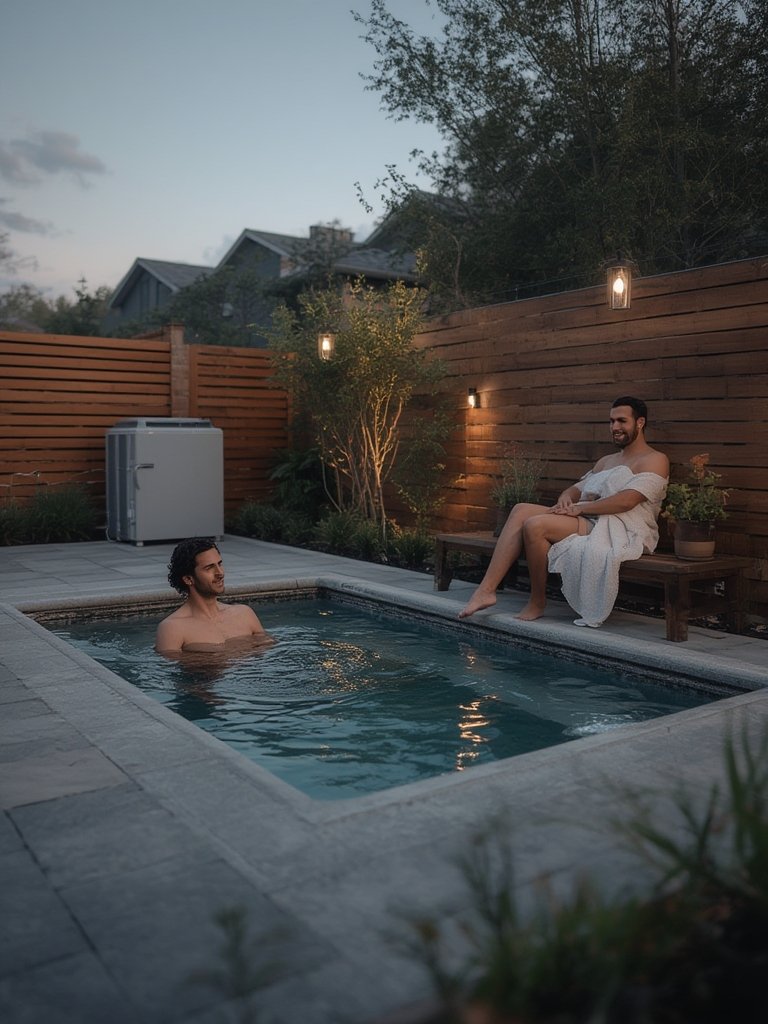
Not sure if a cold plunge is the right “wellness splurge”? Compare its utility and cost profile with other energy-saving or water-related upgrades like WaterSense low-flow fixtures or a ventless washer combo—all have nuances that are easy to underestimate at the planning stage.
Conclusion
Making a cold plunge pool backyard project pay off means mastering the numbers, running the code and insurance gauntlet, and insisting on specs and service in writing. Portable setups can be affordable, but watch electrical and warranty gaps. In-ground installs yield the ultimate backyard upgrade, but require full diligence on permits, drainage, and costs that often snowball fast.
Ready to move forward? Here’s your three-step action plan:
- Visit your yard and measure—can you fit at least a 4×6’ pad, with trenching if needed?
- Book an electrician consult to check your panel and quote for dedicated GFCI circuits (critical for chillers).
- Shortlist three proven vendors and request written, all-in quotes that include delivery, electrical/service details, and warranty.
And as with any major improvement, read your city’s code and call your insurer before you swipe a card. With the right prep and negotiation, your plunge can deliver more than just a brief chill—it’s a real asset for health, home, and property value.
FAQ
How much does it cost to operate a backyard cold plunge tub in summer?
Depending on chiller size and climate, running a 100–150 gallon backyard cold plunge tub at 40–50°F in hot months will add $20–$35 (sometimes more) to your monthly electricity bill. This does not include chemicals ($10–$50/month) and filter replacements.
Do I need a pool permit and fencing for my cold plunge pool backyard setup?
Most cities require permits and at least a 4 ft-high barrier for any water vessel deeper than 24 inches, including permanent cold plunge tubs. Check electrical code (GFCI, bonding, inspection) and get confirmation from your local building department and HOA.
What are the common safety risks and medical cautions?
Cold immersion raises blood pressure and cardiac workload, so anyone with cardiovascular disease, arrhythmias, or uncontrolled hypertension should get medical clearance before use. Always use a buddy system, never combine with alcohol, and avoid prolonged exposure (>15 minutes).
How do I compare models and check if the specs are “good enough”?
Check for real cooling capacity (temp achieved at your ambient in summer), chiller size (0.75–1.5 hp for most), quality of insulation, solid warranty (ideally two years or more), and written delivery/install/service plans. Test run before accepting delivery if possible.
How long do the main components last?
Inflatable tubs usually last 1–3 seasons. Rigid portable tubs last 5–10+ years with care, but chillers can require replacement after 2–4 years. Filters every 3–6 months; pumps 5+ years on average.