

### Blog Post:
SPC flooring is gaining attention among homeowners and project managers asking if stone plastic core flooring is really better than traditional LVP. This guide cuts through generic answers to deliver evidence-backed verdicts, step-by-step buying and installation checks, and actionable questions suppliers often avoid.
Key Takeaways
- SPC flooring offers superior rigidity, waterproofing, and dimensional stability versus LVP but is harder underfoot and less forgiving on imperfect subfloors.
- Installed cost benchmarks and true environmental specs are rarely disclosed by sellers—always demand wear layer, core data, certifications, and warranty documents.
- Prepare for common post-install pitfalls like clicking noise, seam issues, or visible subfloor flaws—especially with SPC’s rigid construction.
- Quick answer — Is SPC flooring better than LVP?
- Market snapshot — North America vs global adoption & growth trends
- Durability, wear layers and waterproofing — what you need to verify
- Real buyer feedback — top post-install complaints to watch for
- Installation differences — challenges, learning curve, and professional vs DIY realities
- Cost & ROI — what the research shows and what’s missing
- Environmental, VOC and recyclability — what to ask manufacturers
- Three competitor blind spots — the questions top articles consistently leave unanswered
- Actionable buyer checklist and sample questions for contractors/manufacturers
- Recommended next research steps & sources to cite
- FAQ
Quick answer — Is SPC flooring better than LVP?
Stone plastic core flooring (SPC flooring) is generally superior to standard luxury vinyl plank (LVP) for high-moisture rooms, busy commercial areas, or where dimensional stability is non-negotiable. SPC’s rigid core gives it unmatched waterproofing and dent resistance, making it ideal for basements, bathrooms, kitchens, and entryways. Mordor Intelligence reports SPC’s market share is rising, driven by its rigidity, waterproof properties, and click-lock installation. However, SPC’s hardness underfoot and tendency to transmit subfloor imperfections mean it’s less comfortable in bedrooms or playrooms, and you’ll need perfect floor prep. LVP remains the right pick for “softer” feel and easier installs over less-than-ideal subfloors. In summary: choose SPC where stability and water-resistance matter; opt for LVP if comfort and installation forgiveness take priority.
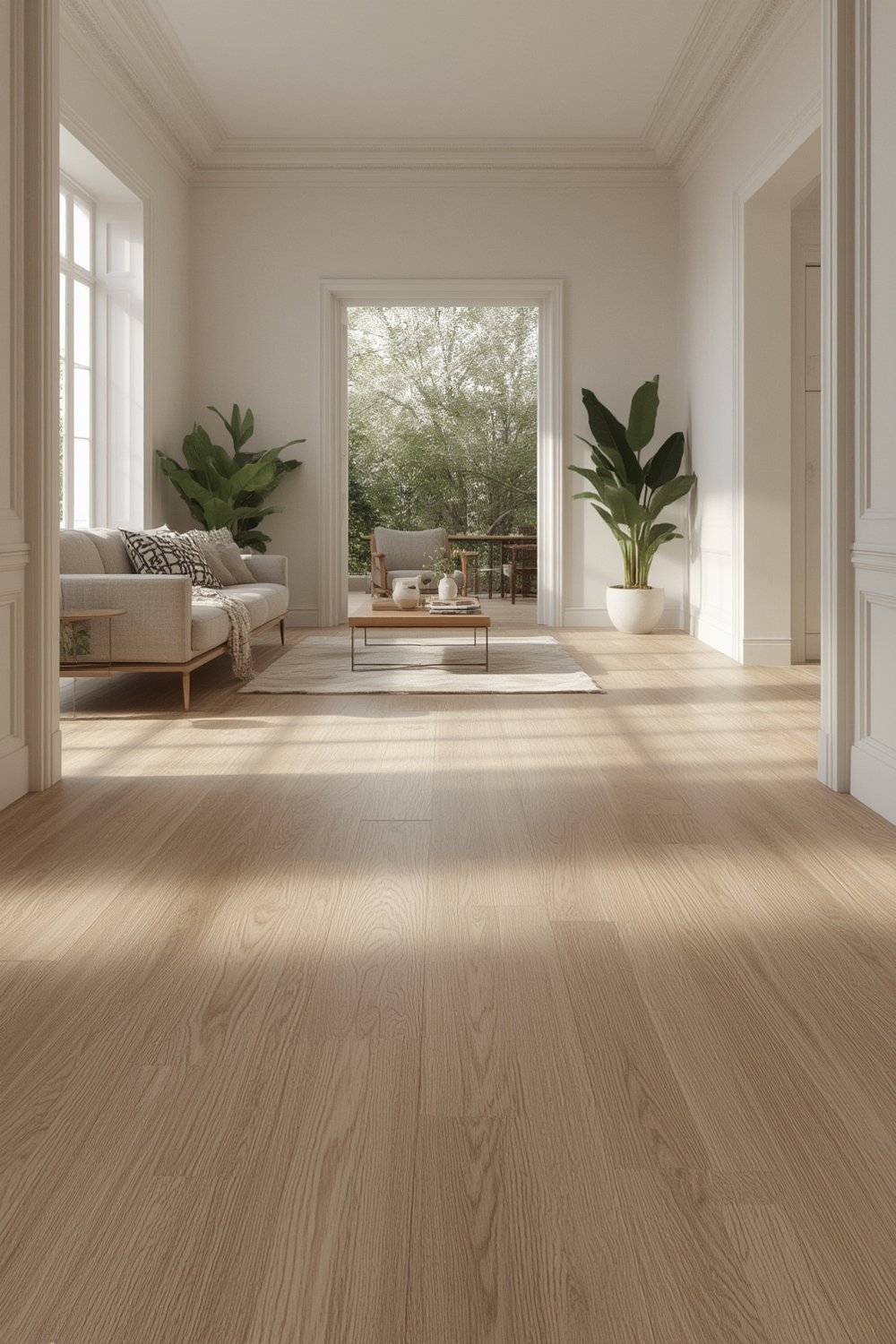
Market snapshot — North America vs global adoption & growth trends
The North American SPC vinyl flooring market hit USD 6.5 billion in 2024, projected to reach USD 10.2 billion by 2033. Resilient flooring, SPC included, captured a 34.2 percent market share—over half of this in homes. Globally, the SPC category is forecast for a staggering 17 percent CAGR, reaching USD 14.33 billion by 2032. What’s powering this? Demand for waterproof, stable surfaces, and affordable premium looks in both residential and light commercial projects. One report highlights SPC’s performance is even displacing laminate and some wood floors, while LVP maintains wider mainstream use because of its flexibility and comfort.
Adoption trends show that more buyers and remodelers are now considering rigid-core floors as cost-effective substitutes for wood and laminate. For anything related to vinyl construction science, material chemistry, or performance across the broader vinyl category, visit our in-depth guide on Everything Vinyl: The #1 Complete Guide to Records, Flooring, Siding, Wraps, and Craft Vinyl.
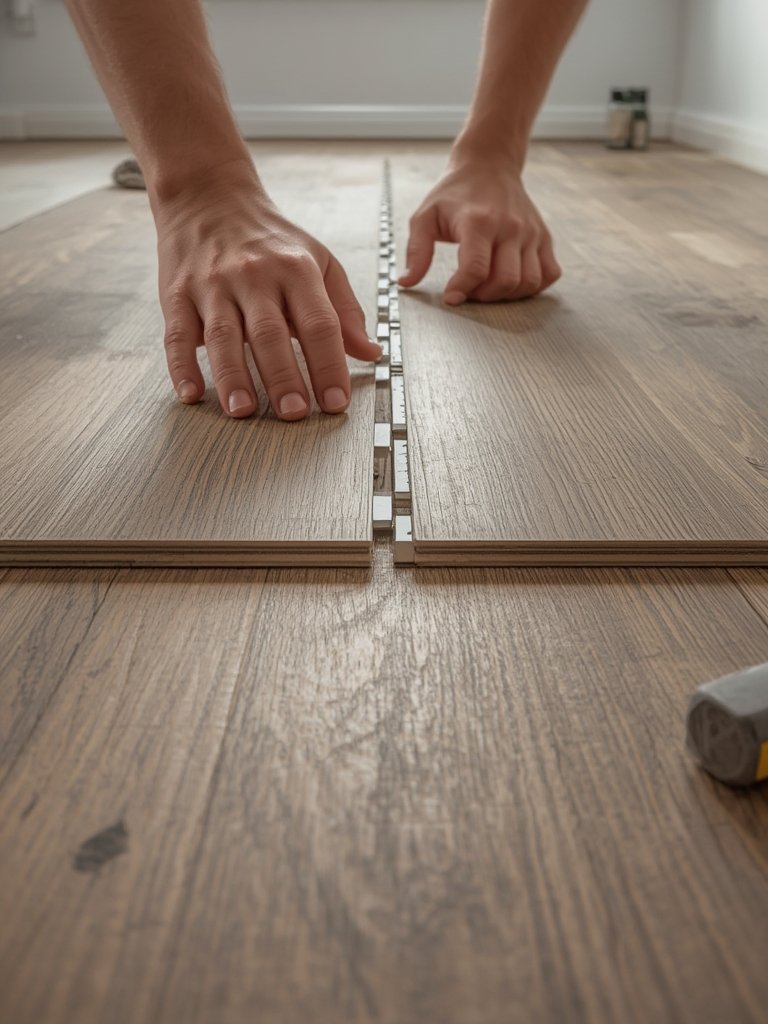
Durability, wear layers and waterproofing — what you need to verify
SPC flooring’s commercial-grade rigid core gives it a clear durability edge: performance testing shows stone plastic core flooring typically lasts over 15 years in heavy-use commercial spaces. It’s recognized for top-tier moisture resistance, making it a go-to in kitchens and bathrooms. But—don’t take specs at face value. Wear layer thickness, core density, and UV or slip coatings can differ drastically by brand and even product line. The market research confirms no standard for wear-layer thickness—so always demand manufacturer documentation. Cheaper SPC planks may have thin or inconsistent wear layers, directly affecting longevity, scratch resistance, and the overall “feel” of your floor.
Real buyer feedback — top post-install complaints to watch for
What do real buyers and installers warn about? Post-install reviews and reports highlight six recurring SPC complaints:
- Hard underfoot: Less comfort, especially when standing for long periods. Consider extra underlayment or area rugs in these cases.
- Hollow or clicky footfall sound: Without proper underlayment or flat subfloor, noise is an issue.
- Subfloor telegraphing: Rigid stone plastic core flooring will transmit unevenness, ridges, or seams beneath—visible or felt as “spongy” areas.
- Joint or seam gapping: Expansion gaps matter. Poor locking or subfloor errors can cause seams to open up.
- Temperature-driven movement: Sun exposure or HVAC swings may cause movement or warping at perimeters.
- Perceived quality mismatch: Thin wear layers or low core density make some SPC products scratch or sound “cheap,” especially in budget lines.
Don’t let sales reps dismiss these—request to walk on real installed samples, ideally after building traffic and exposure.
Installation differences — challenges, learning curve, and professional vs DIY realities
SPC click-lock planks are marketed as DIY-friendly, but in practice, they require precision. Key points:
- Subfloor flatness is critical—any bump, dip, or unevenness will be magnified. Use a long level and address every high or low spot before starting.
- Click-lock systems demand perfect alignment—especially at corners and transitions. Gaps, breaks, or lifted edges mean boards need to be re-set.
- Expansion gaps around room edges are non-optional—rigid stone plastic core flooring can buckle without clearance.
- Temperature and acclimation: Always leave SPC planks in their install space for at least 24 to 48 hours, with HVAC on and blinds drawn, to minimize movement post-install.
- Installer reports confirm labor hours can be lower than glue-down LVP in big, open areas, but mistakes are harder to “hide.”
For a practical rundown of click-lock and alternative vinyl install tips, explore our guide on LVP Flooring: 7 Best Ways to Install (Proven Guide).
Cost & ROI — what the research shows and what’s missing
Most “cost guides” for SPC flooring rely on manufacturer marketing, not independent surveys. Verified sources do not provide a 2024 median installed cost per square foot for either SPC or LVP. That said, true installed costs swing based on:
- Wear layer thickness and brand tier
- Click-lock floating installs (usually lower labor) versus glue-down
- Regional labor rates (urban vs rural, union vs open shop)
- subfloor prep or leveling (a hidden cost if your slab or wood subfloor is uneven)
Quick method: Gather material quotes per square foot, estimate 10–25 percent of project cost for subfloor prep, and get two separate labor bids from reputable local installers for a realistic out-the-door price. For buyers considering overall project ROI, factor both longevity (expect over 15 years for quality SPC) and maintenance savings into your math.
Environmental, VOC and recyclability — what to ask manufacturers
Many articles and brochures claim sustainability or low emissions—but rarely supply supporting data. To keep your indoor air quality and green credentials intact, demand:
- FloorScore or GREENGUARD certificates for VOCs
- Phthalate content statement (ask for zero added, if possible)
- Manufacturer declaration of recycled content percent (document, not verbal)
- Detailed end-of-life disposal or recycling plan—ask if your chosen SPC flooring can actually be recycled locally after use
Don’t just trust “low-VOC” language. Request spec sheets and certification numbers. For more guidance on air sealing, insulation, and healthy home upgrades, see our Complete Guide to Foam Insulation for Homes.
Three competitor blind spots — the questions top articles consistently leave unanswered
Most flooring articles miss three critical points buyers care about:
- Installed cost comparison: What will I actually pay per square foot, with labor and prep, in my region—urban, rural, or in-between? Most content gives no answer.
- Real-world failure modes: What really happens to SPC flooring after years of pets, furniture, sunlight, or amateur installation? Issues like seam splitting and telegraphing are glossed over.
- Environmental or emission specifics: Is this particular brand certified low-VOC and recyclable, or is it just “green-sounding” marketing? Always get certificates, independent test results, or confirmation on end-of-life handling before buying.
Research confirms these gaps in nearly all competitor guides. For a no-spin look at these missing answers, start your review with independent stat and trade sources like those from Mordor Intelligence or published resilient flooring market overviews.
Actionable buyer checklist and sample questions for contractors/manufacturers
Take this checklist when shopping or interviewing contractors:
- Wear layer: Ask for mil thickness, abrasion rating, and supporting documents.
- Stone plastic core composition: Request proof of stone-to-vinyl ratio and density ratings.
- Locking system: Ask about tongue/groove tolerance and warranty coverage for seam failures.
- Subfloor flatness guidance: Get in writing the recommended specs (usually 3/16 inch within 10 feet or better).
- Acclimation window: Confirm required wait time and installation temperature range.
- Warranty terms: Ask for residential vs commercial years—inquire if “lifetime” means more than cosmetic coverage.
- Installation labor breakdown: Request a line-item bid with separate subfloor prep and potential extras.
- VOC and environmental certifications: Insist on seeing FloorScore, GREENGUARD, or equal.
- Recyclability and end-of-life plan: Will the installer or brand handle recycling post-removal? Get policy specifics.
- In-situ testing: Place test planks on your own floor for at least 24 hours before major work begins.
For context, ASTM-referenced performance confirms SPC longevity over 15 years in many commercial settings—but always verify your brand’s actual warranty and have technical specs documented before contract signature.
Want durable, moisture-proof tile for your remodeling project too? See our Grout Tile Guide: How to Grout, Clean, and Maintain Shower Tile for long-term care and install tips.
| Category | SPC Flooring | LVP |
|---|---|---|
| Waterproofing | Fully waterproof rigid core Ideal for bathrooms, basements |
Water-resistant, not always waterproof Varies by product |
| Comfort Underfoot | Hard, rigid feel Area rugs suggested for comfort |
Softer, more forgiving |
| Subfloor Forgiveness | Low—must be very flat | Tolerates small flaws |
| Installation | Click-lock, fast in open layouts Less forgiving of mistakes |
Click or glue-down, easier for DIYers |
| Market Trend | Fastest growing resilient segment, displacing laminate/wood |
Broader installed base in residential |
| Estimated Longevity | 15+ years (commercial tested) | 10–20 years (varies widely) |
| Noise | Can be hollow/clicky if installed poorly | Typically quieter underfoot |
| Environmental Certification | Request FloorScore, GREENGUARD (Not always provided) |
Request same—often missing |
Recommended next research steps & sources to cite
To fill the real gaps—environmental data, installed pricing, and failure rates—you must:
- Request actual spec sheets and warranty documents from every shortlisted SPC and LVP brand.
- Check FloorScore, GREENGUARD, or independent lab test listings for each product, not just manufacturer claims. Review market research here.
- Gather at least two regional installation bids, itemized by labor and material, plus subfloor prep.
- Mine installer forums and real user reviews for post-install complaints and sample projects in your climate.
- If you want an expanded look at overall bathroom upgrades, jump to our Complete Bathroom Guide.
No public source currently offers side-by-side median installed cost or verified emission specs—so getting these documents directly is your best shot for a successful, long-lasting outcome.
FAQ
Is SPC flooring more waterproof than LVP?
Yes. SPC flooring uses a rigid, stone plastic composite core that is fully waterproof, making it safer for wet zones like bathrooms and basements compared to most LVP products, which may only be water-resistant.
Can you install SPC over uneven or damaged subfloors?
No. SPC’s rigid core will telegraph any flaw or bump in your subfloor. Always prepare and level your surface within 3/16 inch over 10 feet for best results.
Is SPC uncomfortable to walk or stand on?
Many users report SPC can feel hard or unforgiving, especially on long-standing areas. You can improve comfort by adding underlayment or area rugs in high-use rooms.
How long does stone plastic core flooring last?
Quality SPC flooring products with proper installation and wear layers can last 15 years or more, even under commercial use. Always check product warranty specifics.
What environmental certifications should I ask for when buying?
Request documentation for FloorScore or GREENGUARD certification, VOC emission statements, and details about recycled content and local recyclability at end of life.