

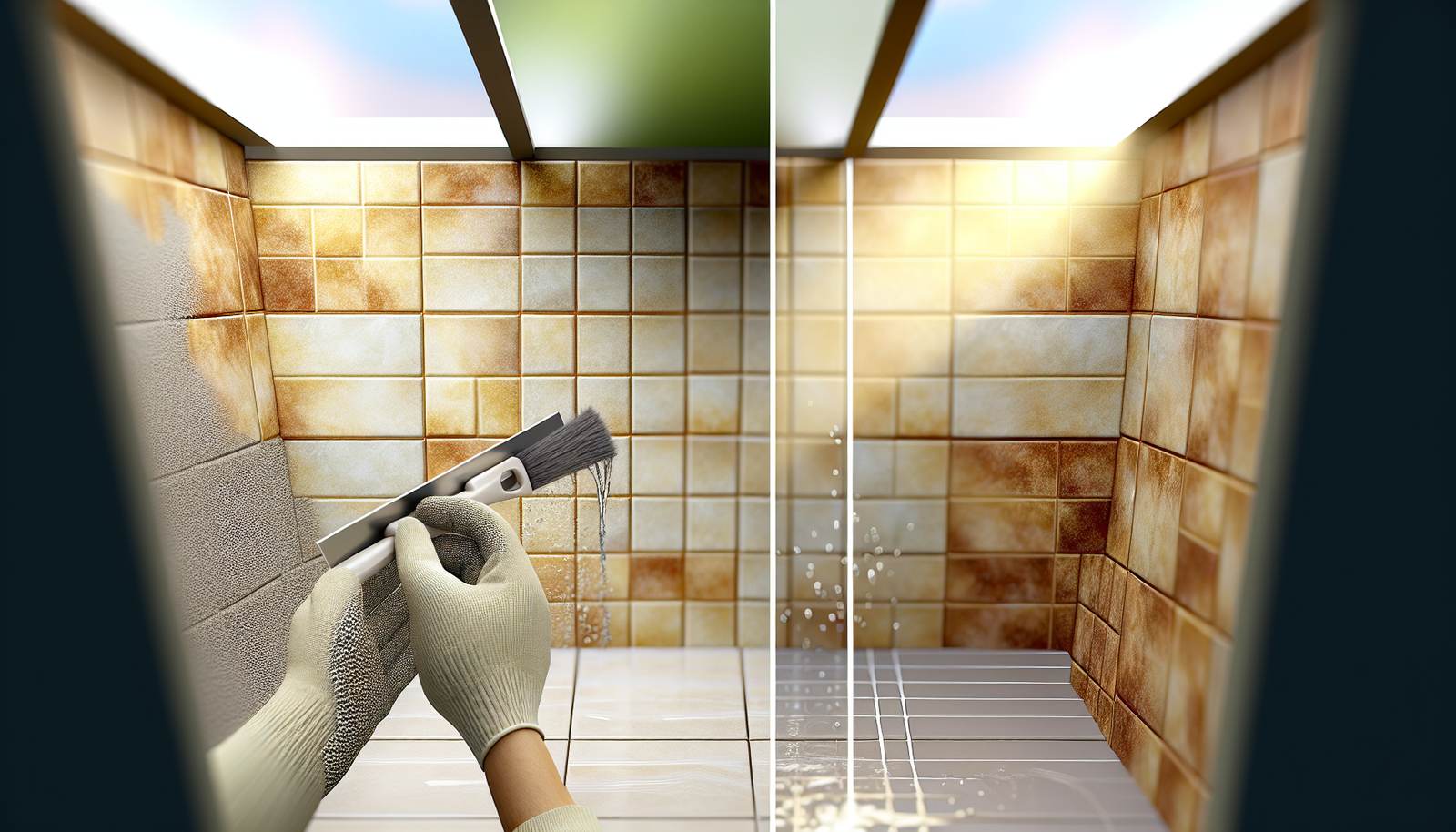
This guide covers everything homeowners and DIYers need to know about grout tile: how to choose and apply grout, effective methods to clean grout, and specific strategies to keep shower grout free of mold and stains. Each chapter gives step-by-step instructions, safety notes, tools and timing so you can get durable, attractive joints and maintain them over time.
How grout works and choosing the right grout for your tile
What is Grout and Why Does it Matter?
Grout is a dense, water-resistant paste, usually composed of water, cement, and sand, that fills the gaps (joints) between tiles. Unlike mortar, which primarily bonds tiles to the substrate, grout fills joints, reinforces tile installations, and protects against moisture ingress. Its low viscosity allows it to flow easily into narrow gaps, while its cured matrix presents impressive water and abrasion resistance. Unlike caulk, which remains flexible, grout cures to a rigid, durable finish and contributes to the tiled area’s integrity and cleanliness.
Main Types of Grout and Their Properties
- Cementitious Grouts
– Sanded: Contains fine sand for added strength, used for joints ≥1/8 inch wide. Pros: Durable, inexpensive. Cons: Can scratch delicate/glazed tiles. Typical uses: Floors, large-format tiles. Water resistance: Moderate.
– Unsanded: No sand, smooth for joints < 1/8 inch. Pros: Won’t scratch polished surfaces. Cons: Less shrink/crack resistance in wide joints. - Epoxy Grout: Two-part, chemical setting. Pros: Exceptional stain and water resistance, high strength. Cons: Difficult to apply, costly, has a short working time. Typical uses: Wet areas, commercial kitchens, showers. Flexibility: High.
- Resin/Polymer-Modified: Enhanced with latex/acrylic for flexibility, reduced cracking, and lower water absorption. More expensive but longer-lasting.
- Nonshrinking/Structural Grouts: Used beneath heavy equipment or in architectural features, providing structural fill with no shrinkage.
Sanded vs Unsanded: Which to Choose?
Use sanded grout for joints 1/8 inch or wider; the sand prevents cracking and shrinkage in large gaps but may abrade glazed or polished tiles. For joints smaller than 1/8 inch or with sensitive surfaces, opt for unsanded grout.
Epoxy Grout Uses and Handling
Epoxy’s low porosity delivers unmatched stain and water protection—ideal for showers and high-traffic areas. However, it sets quickly, requires precise mixing, and excess must be promptly cleaned to avoid haze. Cure times can exceed cementitious grouts.
Additives and Performance Classes
- Fast-Setting (F): Rapid cure for faster completion
- Reduced Water Absorption (W): For wet or steam-prone environments
- Abrasion Resistance (A): For floors and commercial locations
- Polymer-Modified: Enhanced flexibility and adhesion
Color and Aesthetics
Grout color can hide or highlight joints: dark shades mask stains and dirt, while light hues feel clean but require more upkeep. Choose pigments or colorants to complement or contrast tile. Test samples to preview dried color.
Checklist for Selecting Grout Type
- What is the joint width?
- Location: shower, floor, kitchen backsplash, etc.?
- Will the area face movement or heavy loading?
- Exposure to water, steam or harsh chemicals?
- Preferred joint appearance: bold, blended, or colored?
Safety Note: Always wear gloves, eye protection, and a dust mask when mixing or handling powdered grouts.
- Suggested product search terms: “epoxy tile grout for shower”, “sanded cement grout 1/4 inch joint”, “unsanded grout for glass tile”, “polymer-modified grout flexible”.
- Suggested images: Grout joint cross-section diagrams, visual comparison of grout types, before-after cleaning shots.
Preparing tiles and tools so grouting goes smoothly
- Site Preparation: Ensure tiles are firmly set and the adhesive beneath is fully cured. Typical curing times: standard thinset (24 hours), premixed mastics (at least 24-48 hours). To verify, tap tiles gently with your knuckles: a hollow sound or slight movement means more time is needed. Check manufacturer’s guidance for curing recommendations. Remove all tile spacers, and use a margin trowel or utility knife to scrape away any thinset or adhesive protruding into joint spaces. Carefully vacuum or brush out debris, dust, or chips in the joints, as these will compromise grout adhesion and final appearance.
- Tools and Materials List:
- Grout float: For spreading and pressing grout into joints. Substitute: Small rubber squeegee (for tight spaces).
- Grout sponge: For cleaning residues and shaping joints. Substitute: Large, dense cellulose sponge.
- Margin trowel: For scooping grout/mix and scraping. Substitute: Putty knife.
- Mixing paddle: Blends grout evenly. Substitute: Heavy-duty spoon or stir stick for small batches.
- Buckets (2+): One for mixing, one for clean rinse water.
- Grout saw or oscillating tool: Removes old grout or excess thinset. Manual grout removers suffice for light cleanups.
- Grout bag: For pinpoint grout application in tight spots or repairs.
- Rubber gloves, eye protection, respirator: For safe handling, especially with powdered grouts.
- Clean rags, lint-free cloths: For drying and buffing tiles.
- Shop vacuum or blower: Clears dust from joints after scraping.
- Joint Cleaning and Profile: Joints should be at least 2/3 the depth of the tile for durable filling. Remove all old grout or thinset using a grout saw or oscillating tool; avoid damaging tile edges. Blow or vacuum all loosened material and dust—clean joints guarantee tight, consistent grout packing and help prevent cracks or voids.
- Mock Run and Mixing Basics: Always read packaging for water-to-powder ratios and recommended mixing method. Mix only as much grout as can be applied in 20-30 minutes to avoid premature setting (especially in warm, dry rooms). Aim for a peanut-butter-like consistency: it should stick to the float without sagging, not as loose as pancake batter. Measure water precisely and mix thoroughly until uniform; let stand (“slake”) 3-5 minutes, then remix. For small areas, hand-mix in a small bucket using a margin trowel.
- Environmental Variables: Grout best at 50-77°F (10-25°C). High humidity slows set time, while dry, hot conditions speed it up and may cause cracks. Avoid direct sunlight or drafts during grouting; correct temperature/humidity will ensure workable time and strong bonds.
- Common Mistakes to Avoid:
- Adding extra water to thin out grout (weakens final result).
- Leaving grout haze to dry on the tile surface (hard to remove later).
- Working too large an area between cleanups (risking dried grout film).
- Insufficiently filling or “bridging” over deep joints, leading to cracks and premature failure.
- Day 1: Lay tiles, wait for thinset to cure as recommended.
- Day 2: Remove spacers, clean and inspect joints, vacuum out all dust/debris.
- Grouting day: Lay out and prepare all tools, mix small grout batch, and begin grouting as detailed in the next chapter.
If you have not yet chosen a grout type, revisit the chapter on “How Grout Works and Choosing the Right Grout for Your Tile” for guidance tailored to your tiles and usage.
How to grout step by step for durable joints
- Mix grout in small batches. Pour the recommended water amount into a clean bucket first, then gradually add grout powder (for cementitious) or components (for epoxy) as per packaging. Mix using a margin trowel or paddle until consistency resembles smooth peanut butter—firm but workable, not runny. Wait 5 minutes (slake) and remix for best texture. Photo tip: Capture the mixture after slaking.
- Load grout float. Scoop a moderate amount with the float edge. Hold float at a 45° angle to tile; this lets you both press and smear grout. Photo tip: Show float, proper angle in hand.
- Press grout firmly into joints. Using the float, work diagonally across joints with even pressure to fully fill spaces—avoid shallow swipes. Apply pressure to ensure grout reaches joint bottoms and corners, eliminating air pockets. Work a 3-5 sq. ft. area per batch, moving methodically to prevent premature drying. Tackle high/complex areas first.
- Remove excess grout. With the float’s edge held nearly upright, sweep diagonally to collect surface grout, leaving joints slightly proud. Don’t dig into joints when scraping excess—maintain a gentle touch over the tile faces.
- Begin initial cleaning after 10-15 minutes or when grout dulls/hazes but isn’t fully hard. Dampen a clean sponge and wring out nearly all water; gently wipe in a circular motion, then finish with light diagonal sweeps. Rinse sponge frequently in a second bucket.
- Shape and neaten joints. Use the sponge’s corner for even, concave lines. Catch areas with pinholes or low grout, adding fresh material as needed before final wipe. Repeat a second, lighter wipe after another 15–30 minutes. Photo tip: Before/after joint profile.
- Final polish and haze removal. Once grout crusts over (30–90 minutes, see manufacturer for specific window), buff tile with a soft, dry cloth or cheesecloth to remove haze—don’t scratch with scouring pads.
- Allow to cure undisturbed. Cement grouts: no foot traffic, cleaning, or sealing for 24–72 hours. Epoxy: 24 hours (often faster, but read label). Never introduce cleaners or water before full cure to avoid weakening grout.
- Special cases:
- Epoxy grout: Use a dedicated epoxy float, clean excess promptly with recommended solvent. Epoxy haze hardens fast—heed label times strictly.
- Regrouting damaged joints: Remove old grout to at least 2/3 the tile depth with a grout saw before refilling.
- Call a pro if: Joints crumble, tiles are loose, or structural movement is suspected.
- Troubleshooting:
- Shrinkage: Grout mixed too wet or used in deep/wide joints. Solution: Mix firmer, apply in layers if needed.
- Cracking: Joints too wide, underlying movement, or insufficient joint fill. Solution: Rake out and refill, check substrate.
- Crumbly grout: Premature cleaning or overworking surface. Solution: Remove and regrout.
- Discoloration: Dirty tools/water, or inconsistent mixing. Solution: Use fresh water, clean tools, stir thoroughly.
- Safety and cleanup:
- Wear gloves and safety glasses. Use a dust mask for cement powders.
- Dispose of wash water outdoors or via dedicated drains—not household plumbing (cement damages pipes).
- Never wash cement down storm drains.
- Keep a non-scratching razor handy for stubborn dry haze.
- Mix grout only as needed—fresh batches stay workable.
- Practice on leftover tiles to master float angle and pressure.
- Link to Choosing Grout Types and Cleaning Grout and Mold Removal for aftercare.
How to clean grout safely and remove stains and mildew
Principles of cleaning: Grout cleaning relies on mechanical action (scrubbing, brushing, steam) and chemical action (specific cleaning agents). Effective cleaning typically uses both—mechanical action to disrupt soils and chemical action to dissolve or lift grime. Common methods include scrubbing with nylon brushes, microfiber mops, steam cleaning (safely dissolves grime and some stains), and cleaners such as pH-neutral solutions or, for heavy stain removal, oxygen bleach.
Routine maintenance:
- Wipe grout lines weekly with a microfiber mop or cloth and a pH-neutral tile cleaner—these preserve cementitious grout and minimize efflorescence and haze.
- Avoid harsh acids or strong alkalis.
- Spot clean with a soft nylon brush to lift debris; pay attention to corners and shower floors.
- Keep areas dry after cleaning.
Deep cleaning protocols:
- For soap scum and general stains: Wet grout, apply a paste of oxygen bleach (1 tablespoon in 2 cups warm water), cover for 10–15 minutes, scrub with a nylon brush, rinse well.
- For rust stains: Use a commercial rust remover safe for grout or a non-acidic rust eraser; follow label instructions strictly.
- For dye/organic stains: Apply an oxygen bleach paste, agitate, allow 15–20 minutes, rinse thoroughly.
- Repeat as needed, ventilate area, and always rinse to prevent residue buildup.
Mold and mildew removal: Mold (microscopic fungi per Wikipedia) thrives in damp, warm shower grout because porous joints and ongoing moisture create perfect conditions. Safe removal:
- Apply oxygen bleach (recommended) or a commercial mildew remover formulated for grout; allow 10–20 minutes of dwell time, scrub, rinse.
- Chlorine bleach can be used for stubborn spots but harms cementitious grout and skin if overused—use sparingly with gloves and never mix with other cleaners.
- Steam cleaners effectively sanitize without chemicals but work best as maintenance, not on deep-set stains.
Cautions about home remedies: Avoid vinegar and acidic cleaners on cement grout; these can etch, dissolve, or degrade joints. Such acids are safe only for cleaning glazed tile—apply with care, avoid grout contact.
Tools and equipment:
- Nylon or specialized grout brushes
- Microfiber mops and cloths
- Steam cleaners (for maintenance, not deep stains)
- Rotary grout-cleaning brushes (machine-assisted)
- Protective gloves and goggles (especially with chemical cleaners)
- Never use pressure washers indoors on grout
Stain-specific tips:
- Coffee/tea: Oxygen bleach paste, agitate, allow 10–15 min, rinse.
- Rust: Commercial non-acidic rust remover, follow instructions exactly.
- Mildew: Oxygen bleach or specialized mold remover, dwell, scrub, rinse.
- Dye stains: Oxygen bleach, dwell 15–20 min, repeat if necessary.
- Oil-based stains: pH-neutral degreaser or mild dish soap, scrub, rinse well.
Aftercare:
- Rinse cleaned areas thoroughly with water; dry with towels or an absorbent mop.
- Allow grout to air dry completely before reapplying penetrating sealer if needed (typically after deep cleaning or annually).
Do’s and don’ts:
- Do use pH-neutral cleaners for routine care.
- Do ventilate bathroom after cleaning.
- Do test cleaners in small areas first.
- Don’t use acid-based cleaners on cement grout.
- Don’t mix cleaning products, especially bleach and ammonia.
- Don’t allow cleaners to dry on grout—always rinse thoroughly.
FAQ
- How often should I clean bathroom grout? Basic cleaning once a week; deep cleaning and inspection monthly.
- What products are safe for cement grout? pH-neutral tile/grout cleaners, oxygen bleach, and mild soap solutions.
- Is steam cleaning safe for grout? Yes for regular cleaning, but not for severe stains or damaged grout (check manufacturer guidelines).
- When should grout be replaced? Crumbling, deeply discolored, or missing grout signals the need for professional assessment or replacement.
Shower grout care mold prevention sealing and long term maintenance
Why showers are special:
Warmth, continuous moisture, and organic debris make showers the ideal environment for mold. According to Wikipedia, mold thrives wherever dampness, warmth, and a food source (like shed skin cells and soap residue) are present. Mold spores settle and germinate when surfaces remain wet for extended periods; their life cycle depends delicately on humidity. Tiles and grout in showers stay moist or damp, so mold colonies can proliferate if precautions aren’t maintained.
Ventilation and design measures:
- Install an exhaust fan rated for 1 CFM per square foot (minimum) of bathroom space. Always run it during and for at least 30 minutes after each shower.
- Ensure shower pans are properly sloped for rapid drainage, preventing pooling that extends grout moisture exposure.
- For corners and wall-floor transitions, use mildew-resistant silicone caulk rather than grout to handle movement and resist cracking. Rigid grout is best in flat expanses, while flexible caulk absorbs joint stress in changes of plane.
Sealers and waterproofing:
- Penetrating sealers soak into grout to repel water and stains, while topical sealers form a surface film. Epoxy grout is inherently waterproof and usually does not need sealing.
- Seal cementitious grout after full-cure (typically 72 hours). Reapply sealer every 1–3 years depending on usage and product guidance.
- Sealing steps: Clean grout thoroughly, allow to dry for at least 24 hours, apply sealer evenly, wipe excess, and allow to cure per manufacturer’s time before wetting.
Mold prevention routine:
- After each shower: use a squeegee on tiles and grout to remove surface water.
- Weekly: clean surfaces with a mild, pH-neutral shower cleaner or oxygen-bleach solution.
- Monthly: inspect grout for dark spots or cracks; address early signs of mold or water entry at once.
Repair and regrouting:
- Spot-repair only shallow, isolated cracks. For widespread cracking or crumbling, remove grout down to the substrate using a grout removal tool, then reapply fresh grout.
- Replace silicone caulk if loose, moldy, or peeling.
Eco and health-conscious options:
- Favor oxygen bleach (sodium percarbonate), which is non-chlorine and eco-friendly, over chlorine bleach for treating mold.
- Choose low-odor, fragrance-free cleaners and maximize mechanical methods and ventilation to minimize chemical loads in your home.
- Nightly (2 min): Squeegee walls and dry ledges.
- Weekly (10 min): Clean grout and tile with gentle cleaner and inspect caulk, reapply if necessary.
- Monthly (15 min): Look for stains or cracks. Re-address problem points, treat any spots of mold early.
- Annually (1 hr): Reseal grout, inspect for leaks, check fan operation, consider professional help for recurring mold, grout loss, or persistent staining.
- Recurring mold: Increase ventilation, upgrade cleaning frequency, and verify that sealing was performed correctly. Consult a pro for hidden water leaks.
- Persistent staining: Deep clean with oxygen bleach, consider steam cleaning. If stains return, there may be sub-surface moisture issues.
- Loosening grout: Remove and regrout/caulk affected sections, and evaluate for chronic movement or water infiltration. For wide or crumbling areas, full regrouting and substrate repair may be necessary.
Conclusions
Good grout work starts with the right product and careful preparation, and long-term cleanliness depends on correct cleaning and moisture control. Use the right grout type, follow the step-by-step grouting and curing guidance, clean stains safely and seal when needed. For showers, prioritize ventilation and prompt mold treatment to extend the life and appearance of your tiled surfaces.