

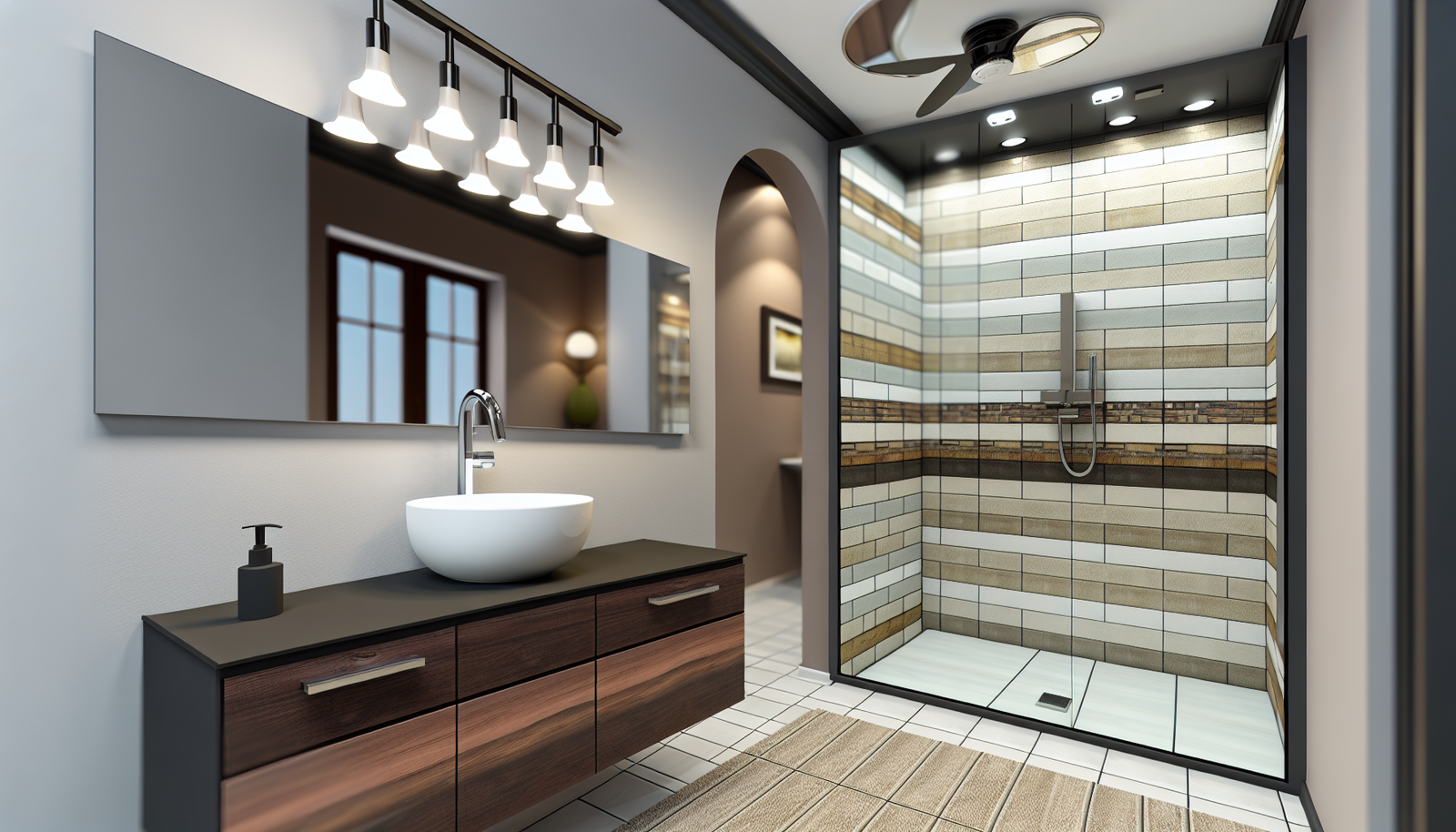
Renovating or designing a bathroom requires balancing style, function and codes. This guide explores bathroom sinks, vanities and cabinets; showers, tile and faucets; lighting and ventilation including bathroom fans; mirrors and layout ideas; plus practical, Wikipedia-verified guidance and SEO-friendly tips to plan a durable, attractive bathroom for every budget, from simple updates to full-scale bathroom remodels and maintenance advice.
Design and Planning for Function and Compliance
Every successful bathroom remodel starts with a clear plan addressing both day-to-day function and regulatory compliance. Establishing your project goals first will save time, money, and headaches down the line.
- Project Goals and Scope: Identify essential functions. Single-user bathrooms call for compact vanities, while a shared space may need double sinks or extra storage. Mark if the bathroom remodel requires wheelchair access, child-safe fixtures, or luxury amenity upgrades. List absolute must-haves versus wants to clarify priorities and align with budget. Local sourcing may allow higher quality options; investigate costs for everything from bathroom tile to bathroom fans within your area (“bathroom near me”).
- Measurements and Layout Fundamentals: Plan with precision. Allow a minimum 15 inches (38 cm) from the centerline of any bathroom sink or bathroom vanity to a side wall or adjacent fixture, and at least 30 inches (76 cm) in total width for comfortable use. Space toilets at least 21 inches (53 cm) from the front edge to the next obstruction. Showers generally need at least 30×30 inches (76×76 cm) by definition; larger (36×36 in/91×91 cm) is preferred for accessibility. Ensure out-swinging shower doors or sliding doors are selected based on available space. Sinks can be drop-in, undermount, or wall-mounted; measure precisely for countertop and cabinet fit. Provide a 3-4 inch (7-10 cm) gap behind vanities for plumbing runs.
- Codes and Ventilation Basics: Proper ventilation prevents mold and moisture damage. Fans (mechanical ventilation) sized for at least 1 CFM (cubic foot per minute) per square foot of bathroom floor area (minimum 50 CFM) are standard, with bathroom fans positioned near showers. Place switches conveniently. Humidity-sensing models maintain healthy levels automatically; vent directly outdoors, not into attics or crawlspaces.
- Accessibility and Safety: Prioritize non-slip tile styles for floors and shower bases. Plan for grab bars reinforced by wall blocking in key locations (beside toilets and in showers—at least 33-36 inches/84-91 cm above the floor). Extend clear floor space (at least 30×48 in/76×122 cm) for wheelchair mobility, and choose lever faucets and rocker switches for easier use.
- Prioritization and Phasing:
- 1. Scope and budget
- 2. Detailed measurements & plans
- 3. Demo and rough-in plumbing/electrics
- 4. Waterproofing and tiling
- 5. Install vanities, bathroom sink(s), faucet, shower doors
- 6. Bathroom lighting, exhaust fan, and mirror
- 7. Final finishes, accessories, and inspections
This structured prep improves design, prevents compliance issues, and delivers a durable, stylish result.
Choosing Sinks Vanities Cabinets and Mirrors
Bathroom Sink Types and Materials
- Integral Sinks: Molded as part of the countertop, often in porcelain or solid surface. Pros: Seamless look, easy cleaning, no rim for grime buildup. Cons: Limited shapes, replacing a damaged sink may require replacing the entire top.
- Undermount Sinks: Mounted under the counter for a clean edge. Materials: Vitreous china, porcelain, stainless steel, stone. Pros: Easy countertop wiping, elegant aesthetic. Cons: Must be paired with water-resistant counters, professional installation often needed.
- Vessel Sinks: Sit atop the counter; popular in modern bathroom remodels. Materials: Glass, stone, porcelain. Pros: Striking look, sink depth above counter. Cons: Tall profile can splash, harder to clean around base.
- Pedestal Sinks: Freestanding, classic appeal. Materials: Vitreous china, fireclay. Pros: Compact, ideal for small bathrooms. Cons: Minimal storage or counter space.
- Wall-Mounted Sinks: Fixed directly to wall, open below. Materials: Porcelain, vitreous china, stainless. Pros: Maximizes floor area. Cons: Plumbing may be exposed; support wall must be reinforced.
Bathroom Vanity and Cabinet Choices
- One-piece Vanities: Countertop and base cabinet combined. Simplifies installation, cohesive look.
- Separate Counter & Cabinet: More customizable, wider range of materials (granite, quartz, composite for tops; solid wood, MDF, laminate for bases).
- Storage: Mix drawers, open shelves, bathroom cabinets, recessed medicine cabinets for versatility.
- Sizing: Typical single vanities are 24″–48″ wide; double vanities 60″–72″. Standard vanity height is 32″–36″; depth is 21″. Allow 18″ minimum side clearance from wall to sink center.
- Plumbing: Verify cabinet depth and style accommodate trap, supply lines, and shutoffs.
Bathroom Mirror Selection and Placement
- Types: Framed (matches decor), frameless (minimalist), mirrored cabinets (extra storage), anti-fog mirrors for humid bathrooms.
- Sizing: Aim for mirror width within 2–4″ of the bathroom vanity, centered above sink. Height: position so the average user’s line of sight is at the center.
- Lighting: Integrated LED edges boost visibility for shaving or makeup.
- Reflective Properties: Mirrors amplify light and space, visually enlarging the bathroom.
Integration Tips for Bathroom Remodels
- Pair vanity tops with compatible sinks and faucet bathroom finishes.
- Coordinate backsplash material with tile for easy cleaning.
- Countertops should overhang cabinet by 1–1.5″.
- Match hardware (handles, hinges) with faucet and light fixture finishes for a cohesive look.
Maintenance and Longevity
- Clean porcelain and vitreous china bathroom sinks with nonabrasive cleansers.
- Seal stone vanity tops and backsplashes annually.
- Wipe down bathroom mirrors with glass cleaner; avoid ammonia on coated surfaces.
- Do not use harsh chemicals on MDF or laminate cabinets; water exposure should be minimized.
Showroom and Supplier Shopping Checklist
- Confirm sink dimensions and cabinet clearances.
- Evaluate storage (drawers, bathroom cabinets, medicine cabinets) in sample vanities.
- Check counter and faucet compatibility.
- Compare mirror sizes, anti-fog features and lighting.
- Inspect finish quality and cabinet hardware sturdiness.
Faucets Lighting and Ventilation Fundamentals
Faucet choice directly impacts both function and style in your bathroom. Terminology varies: in American English, “faucet” refers to the device for drawing water from a plumbing system, while “tap” is more common elsewhere. Mixer faucets combine hot and cold water for precise temperature control, available as single-handle (user-friendly, minimalist) or dual-handle models. Most modern faucet bathroom fixtures use ceramic disc valves—these are extremely durable and less prone to drip than older compression or ball valves. In the shower, pressure-balancing valves prevent sudden hot or cold surges if someone flushes a toilet; thermostatic valves allow setting the water temperature precisely for comfort and anti-scald protection. For tubs and combination setups, know your rough-in spacing and ensure access for future maintenance.
- Task lighting is vital for grooming tasks. Place sconces at eye level, on each side of the mirror for even, shadow-free illumination, or use mirror-integrated LED strips. Aim for a total of 1,500–2,000 lumens around the vanity. Choose lighting with a color temperature of 3,000–4,000K for natural tones.
- Ambient lighting can be provided by overhead recessed downlights or flush mounts. Distribute fixtures to create uniform illumination without glare. Accent lighting can highlight bathroom tile or cabinets—install low-voltage strip lights to create visual interest.
- For complex lighting scenes, consider dimmable LED bulbs and well-placed switches. Position controls near the entry and away from wet zones.
- Bathroom fan selection is key for managing humidity. Sizing is done by CFM: minimum 1 CFM per square foot, so a 50-square-foot bathroom requires 50 CFM. Place fans near the shower area for best steam capture. Look for quiet models (<2 sones) and humidity-sensing controls for hands-free operation.
- Always duct the fan to the outdoors, not attic spaces, and install a backdraft damper to prevent air return. Maintenance includes cleaning the grill and testing humidity sensors.
- LED bulbs and ENERGY STAR-rated fans boost energy efficiency. Commissioning means confirming fans operate as intended, lighting levels are comfortable, and switches are accessible.
Key homeowner decisions:
- Select faucet styles and valve technologies appropriate for your plumbing and safety needs
- Pick bathroom light fixtures that provide both task and ambient light with suitable color temperature
- Choose a rated bathroom fan sized to your room and install per code
- Opt for energy-efficient bulbs and fans for long-term savings
- Plan placement of switches and check that all systems function smoothly after install
Shower Tile Waterproofing and Wet Area Best Practices
Shower design and wet area construction are essential for a durable, stylish bathroom shower. Begin with shower types: a walk-in shower refers to an open-entry enclosure, maximizing accessibility but requiring flawless water control; an alcove shower fits between three walls, ideal for space efficiency. Curbless showers provide barrier-free entry for universal design, while a roll-in shower is specifically sized for wheelchair access. The classic tub-shower combination offers bathing flexibility but may pose access challenges. Weigh the safety of water containment for each—walk-ins and curbless require more precise slope and drainage to avoid leaks, while alcove and tub units offer better splash control.
Tile choice and its underlying substrate dictate longevity. Ceramic and porcelain tiles are low-maintenance favorites, with porcelain delivering higher water resistance ideal for showers. Natural stone presents unique bathroom ideas but demands sealing and more care. Glass tile can create a bright, reflective effect yet needs skilled installation and anti-slip attention for floors. Always install over cement backer board or an approved sheet membrane for water resistance—not drywall. Use large tiles for a modern look but expect more sloped cuts at the drain; mosaics provide greater slip resistance and better conform around slopes.
Waterproofing is the critical layer. Apply a pre-slope bed for traditional pan installations, then lay a waterproof liner (like PVC or CPE) that returns upward onto the wall. Liquid waterproofing membranes offer modern speed and integrate seamlessly with wall backer. Meticulous attention to the curb/wall junction prevents failures there. Mount the drain level with the finished tile, ensuring at least 1/4” per foot of floor slope for drainage. Linear drains allow for single-direction slope and dramatic tile layouts.
Specify shower fixtures (rainheads, hand showers, body sprays) with valve locations outside direct water spray. Pair with a bathroom fan suitably sized and positioned near the enclosure to remove steam and prevent mold. Maintain grout and caulk yearly; address any cracks immediately, and inspect corners prone to moisture trapping.
Durability and cost depend on selecting quality tiles, premium membranes, and experienced installers. Porcelain tile and liquid membranes command higher material cost but last decades with little maintenance. Curbless installs, custom drains, and intricate layouts have higher upfront expense—all justified where design, accessibility, or reliability are paramount.
- Confirm subfloor stability and flatness.
- Install pre-slope and waterproof liner or liquid membrane—check for uninterrupted coverage at corners and junctions.
- Set wall backer board, waterproof seams and fastener penetrations.
- Test assembled pan for leaks before tiling.
- Lay bathroom tile from drain outward for proper slope, check slip resistance, and keep grout joints consistent.
- Install fixtures and bathroom fan; seal all joints with mildew-resistant caulk.
- Final inspection: test drainage, fan performance, and inspect for waterproof integrity in all wet zones.
Remodeling Steps Maintenance and Finding Local Pros
Budgeting for your bathroom remodel is the crucial first step to control costs and avoid surprises. A typical line-item budget includes:
- Demolition: Old sink, vanity or shower removal—factor in disposal fees.
- Plumbing and electrical: Re-routing pipes for a new vanity or updating wiring for new bathroom lighting and fan.
- Fixtures: New faucet, sink, shower, and vanity selections. Premium bathroom cabinets or mirrors add additional costs.
- Tile: Material (porcelain, ceramic) and installation for floor, shower, and backsplash areas.
- Labor: General contractor and specialist trades (plumber, electrician, tile setter).
Cost-saving strategies:
- Refinish instead of replace cabinets or tubs; swap only the faucet or mirror for a quick refresh.
- Choose standard-sized vanities, sinks and showers to avoid custom costs.
- Reuse existing fixtures (like bathroom fan or lights) when possible if they’re functional.
Typical timeline for a mid-size bathroom remodel is 3–6 weeks:
- Week 1: Demolition and rough plumbing/electrical.
- Week 2: Inspections, wall repair, tile prep.
- Week 3–4: Tile, painting, vanity/cabinet install, fixtures, and bathroom mirror mounting.
- Final week: Punch list, cleaning, and electrical/plumbing inspections.
- Communicate frequently—weekly check-ins keep subcontractors coordinated and prevent delays.
Permits & inspections: Pull permits for plumbing, electrical, and any structural changes. Prepare for inspections by keeping plans, permits, and access clear. Ask your contractor to coordinate and attend inspections.
Finding and vetting local professionals:
- Search online using “bathroom near me” or “bathroom remodel [your town].”
- Check review sites and request photos of recent work (faucet installs, vanity upgrades, tile jobs).
- Ask for references, verify contractor’s license and insurance, and insist on a detailed written estimate.
- Red flags: requests for large deposits, lack of physical address, poor communication, or refusal to show licensing.
- Ask: Who does the actual work (subs or in-house)? What happens if something is delayed?
Maintenance plan & warranty management:
- Seasonally reseal tile grout, check and refresh caulk at sink, shower, and vanity edges.
- Clean the bathroom fan and light fixtures to prevent mold and debris buildup.
- Test GFCIs and inspect all faucet joints for leaks. Confirm mirror stability.
- Track warranties for faucets, vent fans, and cabinets in a home binder—include install receipts and the contractor’s contact.
Ready to start your project? For the best results, search “bathroom near me”, “bathroom vanity”, or “bathroom remodel” to connect with local supply stores and trustworthy professionals, ensuring durable and stylish results tailored to your region.
Conclusions
A successful bathroom blends smart layout, durable materials and proper ventilation with thoughtful lighting and fixtures. Focus on selecting the right sink, vanity, faucets, tile and shower components; prioritize ventilation and lighting; plan budget and hiring using local searches like ‘bathroom near me’. With informed choices and attention to maintenance, your bathroom remodel will deliver function, comfort and lasting value.